
In the realm of Chinese language learning, technology serves as a pivotal ally, revolutionizing traditional approaches and paving the way for innovative educational methodologies. By seamlessly integrating cutting-edge tools and resources into the learning process chinese tutor, technology has transformed the landscape of language acquisition and cultural immersion. From AI-powered platforms to immersive virtual reality experiences, the possibilities seem boundless. As we navigate this digital frontier, the question arises: How has technology truly reshaped the way we engage with the Chinese language, and what lies ahead in this ever-evolving journey of linguistic exploration?

Enhancing Vocabulary Acquisition
In the realm of Chinese language learning, the integration of technology has significantly bolstered the process of enhancing vocabulary acquisition. Various digital tools and applications now offer learners innovative ways to expand their lexicon efficiently. For instance yanzi mandarin, flashcard apps such as Anki or Quizlet allow users to create personalized vocabulary decks tailored to their learning needs. These apps utilize spaced repetition algorithms to optimize retention, ensuring that words are memorized effectively over time.
Online dictionaries and language learning platforms like Pleco or Du Chinese provide instant access to word definitions, example sentences, and audio pronunciations, facilitating a deeper understanding of vocabulary in context. Moreover, language exchange platforms like HelloTalk enable students to practice newly acquired words in conversations with native speakers, reinforcing retention through practical application.
The integration of technology in vocabulary acquisition not only enhances learning efficiency but also promotes autonomy and flexibility in the learning process. By harnessing these digital resources, Chinese language learners can now expand their lexicon with ease and convenience.
Improving Pronunciation Skills
Advancing one’s pronunciation skills in Chinese language learning requires diligent practice and utilization of technological resources designed to provide accurate feedback and guidance. Technology offers various tools to aid in improving pronunciation, such as language learning apps with speech recognition features. These apps allow users to practice speaking Chinese phrases and receive instant feedback on their pronunciation accuracy.
Another valuable technological resource for enhancing pronunciation skills is online language tutoring platforms. These platforms often offer interactive lessons with native Chinese speakers who can provide personalized guidance and correction on pronunciation. Additionally, virtual reality (VR) technology is increasingly being used to create immersive language learning environments where learners can practice speaking in simulated real-life scenarios.
Furthermore, resources like online pronunciation guides, audio recordings, and pronunciation analysis tools can supplement traditional learning methods and help learners fine-tune their pronunciation. By incorporating these technological resources into their language learning routine, students can make significant progress in mastering the intricacies of Chinese pronunciation.
Providing Immersive Cultural Experiences
To gain a deeper understanding of Chinese culture and language, learners can immerse themselves in authentic cultural experiences facilitated by technological advancements. Virtual reality (VR) and augmented reality (AR) technologies have revolutionized the way individuals can engage with Chinese culture from anywhere in the world. Through VR headsets, learners can virtually visit historical sites like the Great Wall of China or the Forbidden City, providing a sense of presence and immersion that traditional learning methods lack.
Furthermore, language learning apps now incorporate cultural components into their platforms, offering learners the opportunity to explore Chinese customs, traditions, and daily life. These apps often include interactive modules where users can participate in virtual celebrations like Chinese New Year, learn traditional Chinese calligraphy, or even cook authentic Chinese dishes through step-by-step tutorials.
Accelerating Learning Progress
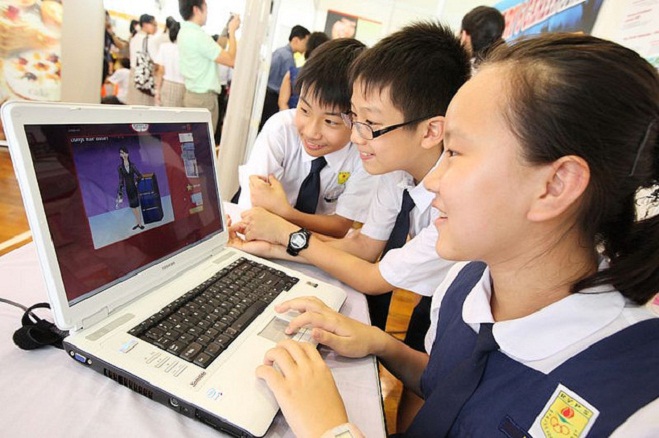
The integration of advanced technology tools has significantly expedited the pace at which individuals can acquire proficiency in the Chinese language. Online platforms and apps offer personalized learning experiences tailored to an individual’s pace, allowing learners to progress at their own speed. Interactive tools, such as language learning software, virtual reality simulations, and AI-powered tutors, provide immediate feedback, enabling students to correct mistakes promptly and enhance their learning efficiency.
Additionally, technology has made authentic Chinese language resources more accessible. Online libraries, multimedia content, and live streaming platforms offer a plethora of materials for learners to engage with, exposing them to real-life language usage and cultural nuances. This exposure accelerates the learning process by immersing students in the language and enhancing their listening, speaking, and comprehension skills.
Furthermore, collaborative online platforms and language exchange websites connect learners with native speakers worldwide, facilitating language practice and cultural exchange. Such interactions foster a deeper understanding of the language and accelerate the acquisition of Chinese language skills.
Deepening Understanding of Chinese Language
In delving deeper into the intricacies of the Chinese language, learners can explore its rich history, complex characters, and nuanced cultural connotations through advanced technological tools and immersive learning experiences. Technology offers learners the opportunity to dissect the evolution of Chinese characters, understand the etymology behind words, and appreciate the contextual usage of language in different periods.
Virtual reality simulations can transport learners to historical settings where they can witness how language evolved over time. Online platforms provide access to vast databases of Chinese literature, allowing learners to analyze classical texts and contemporary works alike. Additionally, AI-powered language learning apps offer personalized feedback to help learners grasp the subtle nuances of tone and pronunciation unique to Chinese.
Conclusion
In conclusion, technology plays a vital role in augmenting Chinese language learning by providing innovative tools and resources for vocabulary acquisition, pronunciation improvement, cultural immersion, accelerated learning progress, and a deeper understanding of the language.
These technological advancements offer a dynamic and interactive environment for learners to engage with Chinese language and culture in a more effective and efficient manner, ultimately enhancing their overall language learning experience.