Category: Workspace Productivity

Workspace Productivity

如何使用八宅风水和生肖工具?简单的逐步说明

八宅风水与生肖工具帮助识别有利于健康、财富和和谐的个人方向。用户首先根据出生年份和性别计算自己的卦数。这个数字揭示了四个有利和四个不利的方向。通过将家庭或办公空间与这些吉祥方向对齐,可以改善健康状况和平衡。实施风水技巧,如摆放象征性物品和避免负面区域,进一步提升效果。额外的指导提供了优化生命能量的更深入见解。

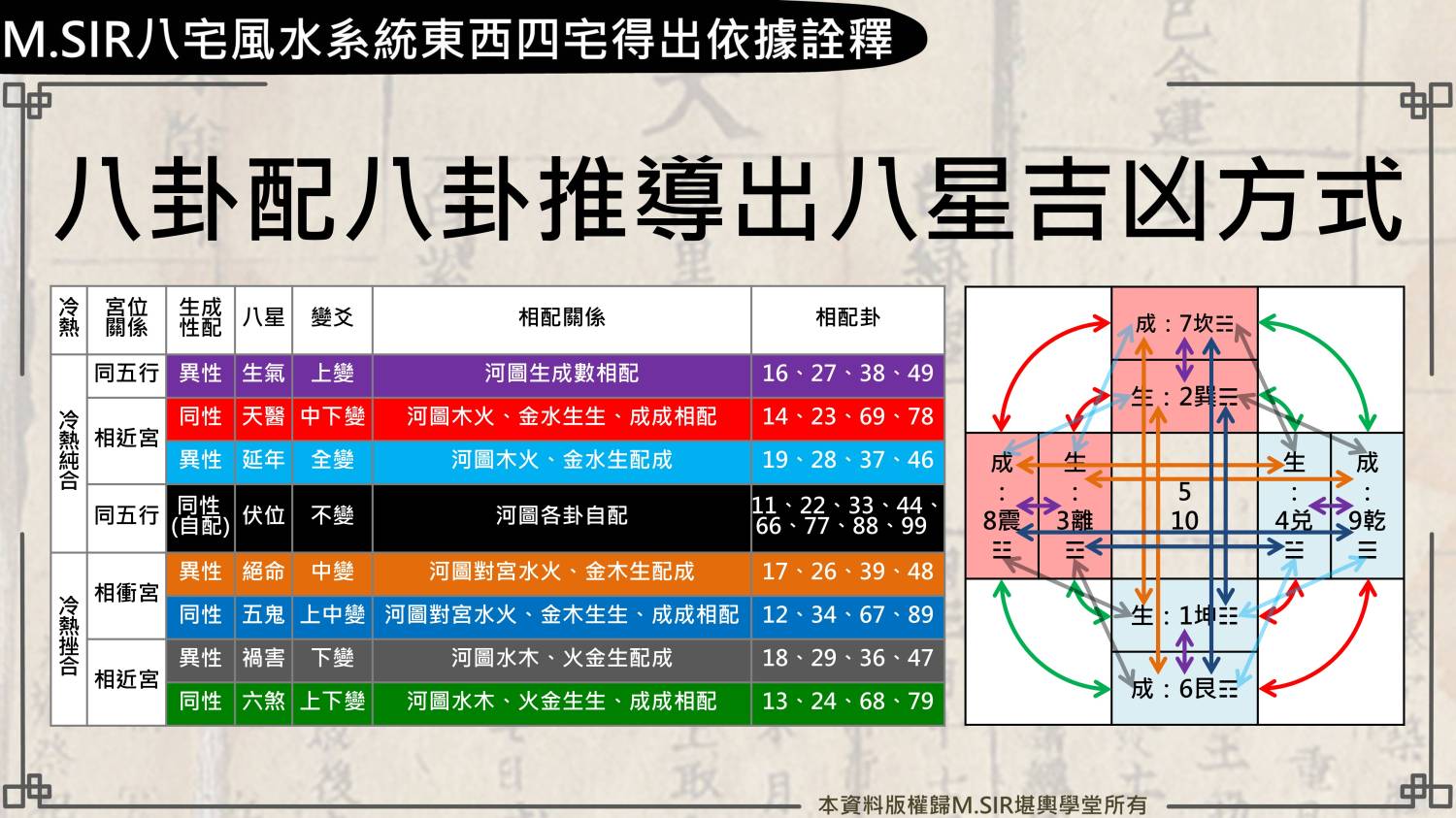
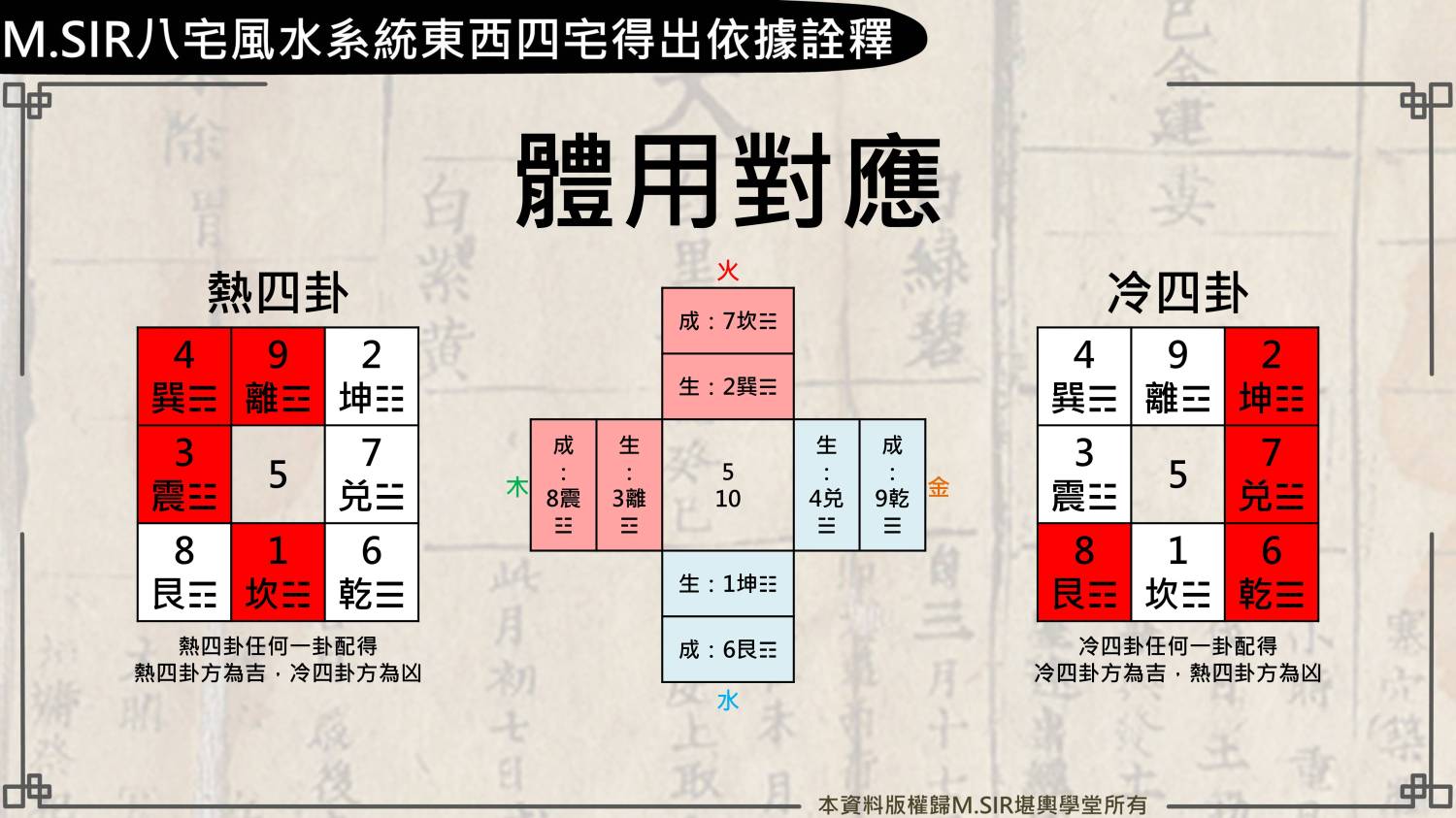
略論八宅風水卦序之謎– 书格

什么是八宅风水及其重要性

什么是八宅风水,它在地理风水实践中为何具有重要意义?八宅风水是一种基于方向能量来分类个人和空间,以优化和谐与平衡的方法。它将人们分为与特定罗盘方向相对应的不同群体,影响健康、关系和财富。

这个系统之所以重要,是因为它提供了一种结构化的方法来布置居住和工作环境,营造有利于个人自由和福祉的氛围。通过理解这些空间动态 了解更多,个人可以做出符合其内在能量模式的明智决策。

最终,这促进了自主性和生活满意度。八宅方法因其实用性和易用性而突出,赋予使用者创造支持其目标和价值观空间的能力,而无需僵硬的限制。

找到你的八宅风水命卦号码

理解个人的能量模式是有效应用八宅风水的基础。八宅风水的核心是八运数,它通过出生年份和性别计算得出,作为空间和谐的个性化钥匙。

通过确定八运数,个体可以识别其独特的能量特征,这影响着他们与居住空间的互动。这个计算方法简单明了:将出生年份的数字相加,直到得到一个个位数,并根据性别进行调整。

最终得到的八运数范围从1到9,每个数字对应特定的能量组和方位。了解这个数字使个人能够调整环境,以支持身心健康和自由,为更深入的风水实践奠定基础。

通过您的八宅命理数发现最佳和最差方向

一旦确定了个人的八字命理数(Kua数),就可以识别出对个人最吉利和最具挑战性的方向。

每个人的八字命理数对应四个有利方向——例如健康、财富、爱情和个人成长——以及四个不太有利的方向,可能带来障碍或不适。

认识这些方向使人能够将日常活动、休息和工作环境调整到积极能量流动的方向,促进身心健康和成功。

这一知识支持在行动和空间定位上做出有意识的选择,而不受限制,助力拥抱自由与和谐的生活方式。

略論八宅風水卦序之謎– 书格

根据您的八宅风水图布置您的家庭和办公室

虽然按照八宅风水原则布置空间需要仔细规划,但它提供了一种实用的方法来增强家庭或办公室内的和谐与能量流动。这个过程始于根据个人的八字命数确定吉利和不利的方向。

然后,将空间调整以最大化正面气场,减少负面影响。关键步骤包括:

  • 将主门和工作站朝向吉利的方向,以吸引繁荣与健康。
  • 将卧室和休息区设置在与健康与安宁相关的方位。
  • 避免或中和与不幸或冲突相关的区域。

这种方法尊重个人自由,允许根据个人生活方式和空间限制进行定制调整,创造支持平衡而非僵硬规则的环境。

应用风水技巧提升健康、财富与幸福

在根据八宅风水图布置起居和工作空间后,注意力转向增强健康、财富和幸福的实用技巧。优先考虑图中确定的吉祥方位,使能量自由流动,支持活力和繁荣。

在健康区融入植物或流动水等自然元素,有助于保持平衡和减轻压力。

在财富区放置财富瓶或铜钱等象征物,可以吸引财富。

对于幸福,确保空间开放且无杂乱,有助于促进积极的人际关系和情感健康。

坚持维护这些区域巩固其效益。

这种方法使个人能够创造培育自由、活力和成功的环境,使日常生活与个人能量和自然世界相协调。

结论

八宅风水提供了一个实用的框架,通过将生活和工作空间与个人的八卦命理数及生肖影响相结合,实现和谐统一。通过确定个人的八卦命理数,能够识别有利和不利的方向,从而优化能量流动。将这些知识应用于家庭和办公室的布局,有助于提升健康、财富和幸福感。最终,融合八宅原则促进了平衡和积极能量,成为改善日常生活的宝贵工具。

Workspace Productivity

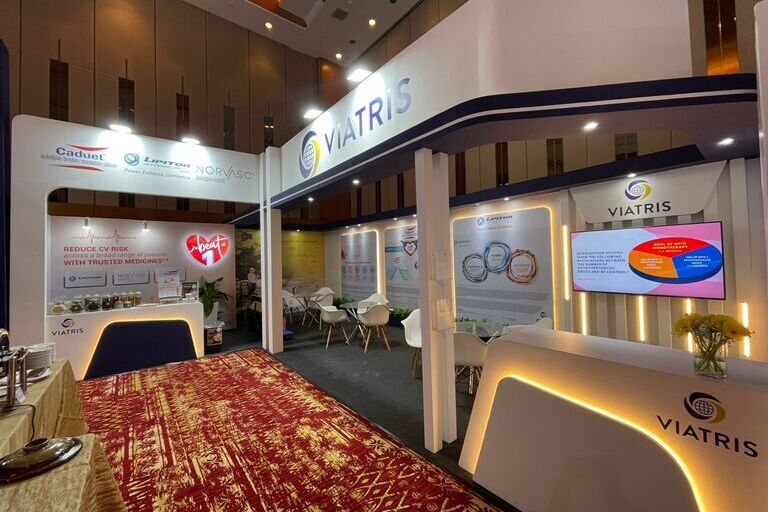
What Makes a Good Exhibition Booth Design for Corporate Events?

A good exhibition booth design for corporate events clearly defines goals and tailors the experience to the target audience. It uses bold colors, high-quality graphics exhibition booth design malaysia, and dynamic lighting to attract attention. The layout is inviting and functional, promoting easy movement and accessibility. Interactive features like touchscreens and live demos boost engagement. Success is measured through visitor data and feedback to refine future efforts. Exploring these elements reveals how to maximize event impact effectively.

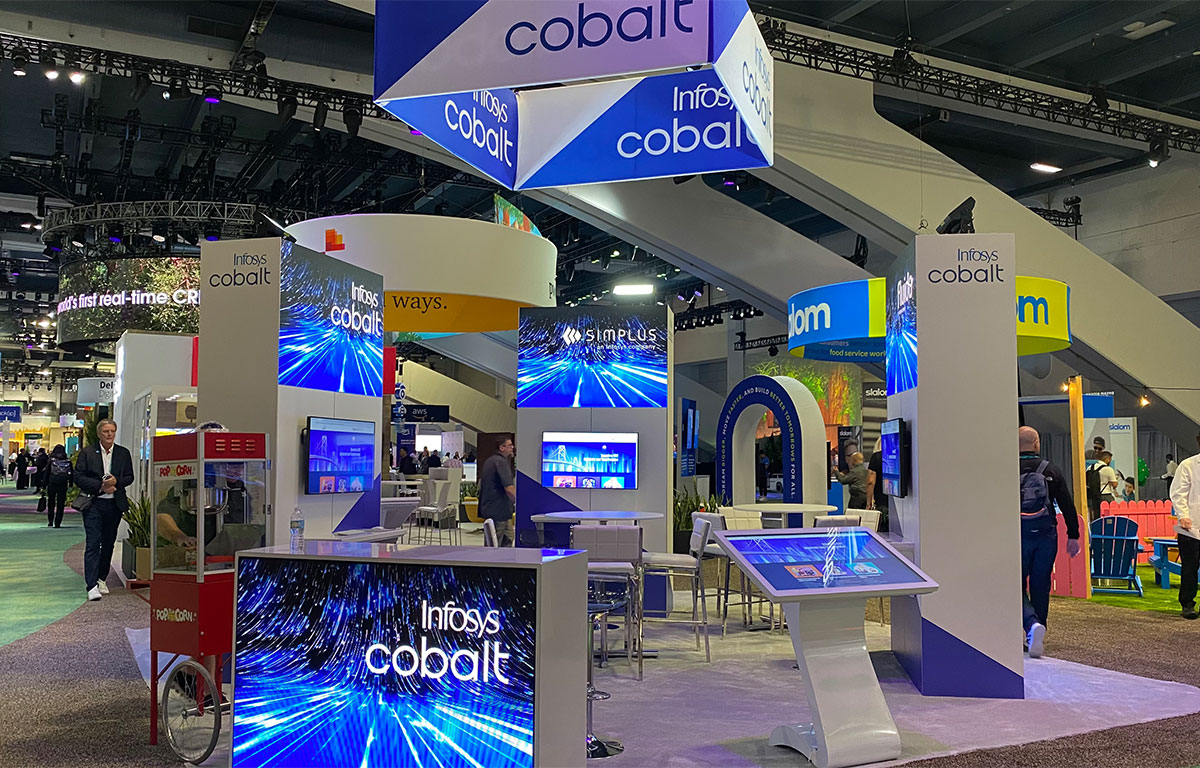
5 Creative Trade Show Booth Design Ideas to Make Your Brand Stand Out -  Multi Image Group

How to Define Your Exhibition Booth Goals and Audience

When planning an exhibition booth, clearly defining goals and identifying the target audience are essential first steps. Setting specific objectives—whether generating leads Upstage Expo, increasing brand awareness, or launching a product—guides all design and engagement decisions.

Understanding the target audience’s demographics, interests, and pain points enables the creation of a tailored experience that resonates authentically. This clarity empowers exhibitors to allocate resources efficiently and design interactions that invite genuine connection rather than forced engagement.

Freedom-driven attendees seek spaces that respect their time and choice, making it vital to align booth purpose with audience expectations. By articulating clear goals and knowing who they intend to reach, exhibitors establish a foundation for a booth that facilitates meaningful, voluntary engagement without overwhelming or restricting visitors.

How to Use Visual Elements to Grab Attention at Corporate Events

Why do some exhibition booths attract crowds while others go unnoticed? The answer often lies in the effective use of visual elements that captivate and engage. Strategic visuals create instant impact, drawing attendees in and encouraging interaction.

Key approaches include:

  1. Bold, contrasting colors to stand out amidst a busy event space.
  2. High-quality, large-format graphics that clearly communicate the brand message.
  3. Dynamic lighting to highlight key areas and create an inviting atmosphere.
  4. Interactive digital displays that engage visitors and encourage exploration.

These elements combine to break through the noise of a crowded event, offering freedom for creativity and expression. A well-crafted visual strategy transforms a booth into a compelling destination, maximizing visibility and visitor interest without relying on excessive text or clutter.

How to Create an Inviting and Functional Exhibition Booth Layout

A successful exhibition booth layout balances inviting aesthetics with practical functionality to optimize visitor flow and engagement.

Prioritizing clear pathways prevents congestion, allowing attendees to explore freely without obstruction. Strategic placement of key elements—such as product displays, seating, and information counters—ensures accessibility while maintaining openness.

Incorporating modular furniture supports adaptability, enabling quick adjustments to different event spaces or visitor volumes. Lighting plays a critical role, illuminating focal points while creating a welcoming atmosphere.

Adequate storage solutions keep the booth tidy, enhancing professionalism and ease of operation. Overall, the layout should encourage natural movement and interaction, offering visitors a sense of freedom to engage at their own pace within an organized, inviting environment tailored to the event’s objectives.

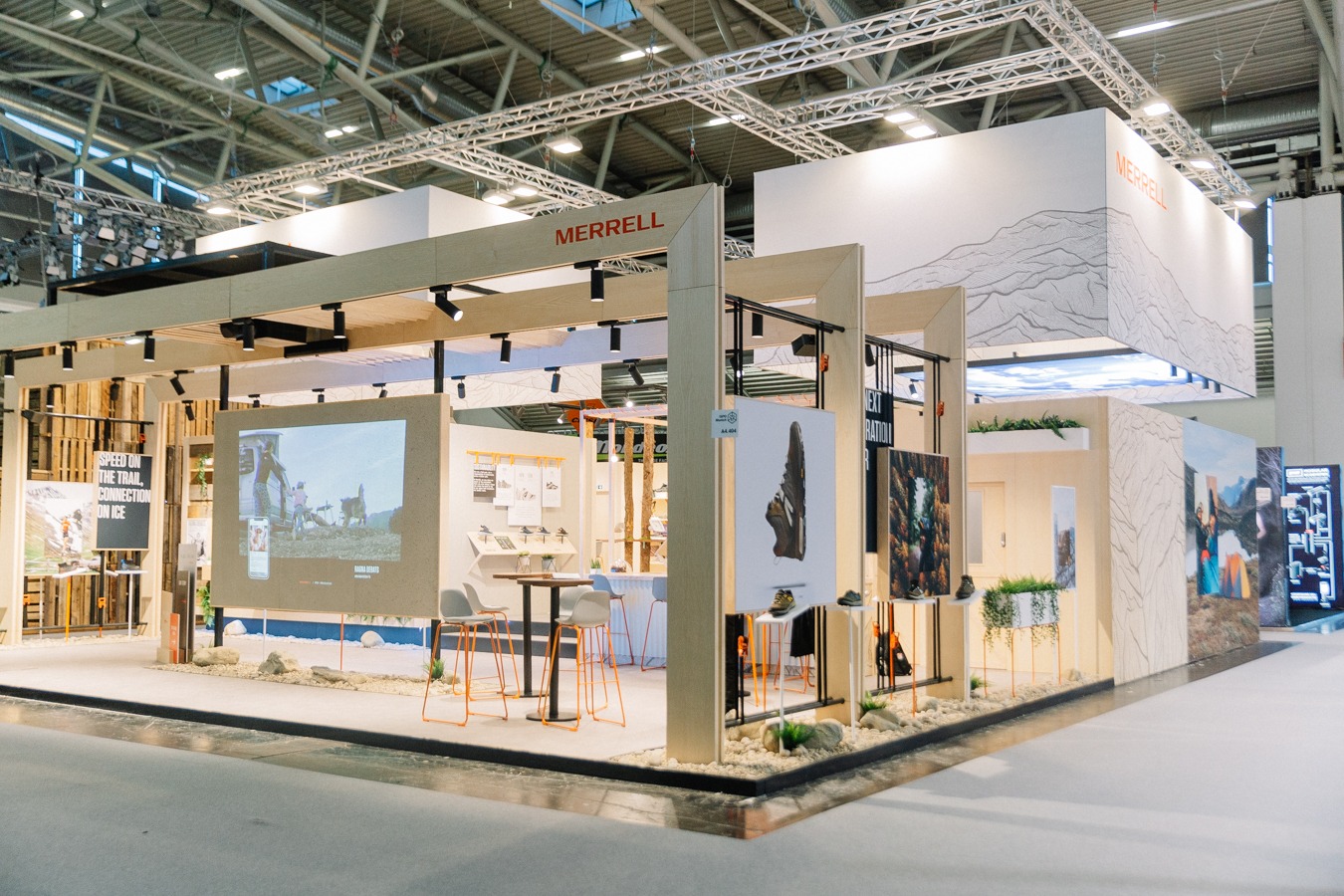
What Makes a Good Exhibition Stand? - Unibox

How to Boost Visitor Engagement With Interactive Booth Features

Incorporating interactive features into exhibition booths transforms passive observation into active participation, markedly enhancing visitor engagement. These elements invite visitors to explore and connect freely with the brand, creating memorable experiences.

Key strategies include:

  1. Touchscreens and Tablets: Allow visitors to browse products or services at their own pace.
  2. Virtual and Augmented Reality: Offer immersive experiences that captivate and educate simultaneously.
  3. Live Demonstrations: Provide hands-on opportunities to interact with products or technologies.
  4. Gamification: Use quizzes, contests, or challenges to encourage participation and reward engagement.

How to Measure and Improve Your Exhibition Booth’s Success

Evaluating the effectiveness of an exhibition booth is essential for maximizing return on investment and refining future event strategies. Key performance indicators such as visitor count, lead quality, and engagement duration offer quantifiable insights.

Collecting feedback through surveys or digital tools helps identify strengths and areas for improvement. Tracking social media mentions and post-event follow-ups also gauges long-term impact.

To enhance success, organizers should analyze data to optimize booth layout, messaging, and staff interactions. Experimenting with new technologies or interactive elements can further increase appeal.

Regular assessment empowers decision-makers to adapt swiftly, ensuring exhibitions remain dynamic and aligned with evolving goals. This approach fosters greater freedom in design choices and strategic planning, ultimately driving a more rewarding event experience.

Conclusion

A successful exhibition booth design for corporate events hinges on clearly defined goals and a deep understanding of the target audience. Effective use of visual elements, combined with an inviting and functional layout, enhances visibility and comfort. Incorporating interactive features further engages visitors, fostering meaningful connections. Continuous measurement and improvement guarantee the booth remains impactful. Together, these elements create a compelling presence that maximizes brand exposure and event success.

Workspace Productivity

Swollen Feet and Ankles: When Is It a Concern?

Swelling of the feet and ankles is usually benign when gradual, symmetric, and improves with elevation, compression, and reduced salt. Immediate evaluation is needed for sudden, painful, or asymmetric swelling, fever, skin redness, breathlessness, chest pain, or new swelling after trauma or with anticoagulation—these can signal deep vein thrombosis, cellulitis, or pulmonary embolism sports podiatrist. Persistent bilateral edema suggests cardiac, renal, or liver disease; nonpitting or progressive swelling may be lymphedema. More detail follows on causes, self-care, and when to seek care.

How to Treat Swollen Feet and Ankles and Legs?

When to Worry: Red Flags and Urgency Levels for Swollen Feet and Ankles

When should swelling of the feet or ankles prompt urgent evaluation? The patient should seek immediate care if swelling is sudden, asymmetric, or accompanied by sudden redness, intense pain, shortness of breath, chest pain, or rapid heartbeat. These signs suggest deep vein thrombosis, pulmonary embolism, or acute infection.

Urgency increases with fever presence, spreading redness https://peoplepodiatry.com.au/, or systemic symptoms indicating sepsis or cellulitis. New swelling after trauma, in the context of anticoagulation, or with loss of mobility also merits prompt assessment.

Chronic, symmetric, mild swelling without systemic features may be less urgent but still requires evaluation if progressive. Clinical assessment, targeted imaging, and laboratory tests guide risk stratification and freedom-preserving treatment decisions.

Common and Harmless Causes of Swelling You Can Treat at Home

After ruling out the urgent red flags outlined above, many cases of ankle and foot swelling have benign, self-limited causes that can be managed safely at home. Common contributors include prolonged standing, minor sprains, exercise induced swelling after intense or unfamiliar activity, and fluid retention related to dietary sodium. Management focuses on rest, elevation, compression, reducing salt intake, and gradual return to activity. Symptoms that improve over days with these measures are reassuring.

Cause Home management
Prolonged standing Elevate feet, intermittent walking, compression socks
Exercise induced swelling Ice, rest, graduated activity, hydration
Dietary sodium–related fluid retention Reduce salt, monitor weight, increase water and potassium-rich foods

Seek care if swelling worsens, becomes painful, or is asymmetric.

Medical Conditions That Cause Persistent or Asymmetric Swelling

Several medical conditions can lead to persistent or asymmetric swelling of the feet and ankles, often indicating underlying vascular, cardiac, renal, hepatic, lymphatic, or inflammatory disease.

Unilateral swelling frequently reflects deep vein thrombosis, venous insufficiency, cellulitis, or localized trauma; bilateral edema suggests heart failure, chronic kidney disease, or liver cirrhosis.

Lymphedema causes include surgical disruption, infection, malignancy, or congenital lymphatic anomalies, producing non-pitting, progressive swelling.

Autoimmune disorders such as rheumatoid arthritis, systemic lupus erythematosus, and vasculitis may cause inflammatory edema with joint pain or skin changes.

Medication-induced edema and malignancy-related obstruction are other considerations.

Evaluation should prioritize history, medication review, focused exam, and targeted testing (D-dimer, duplex ultrasound, renal and hepatic panels).

Prompt diagnosis preserves mobility and autonomy.

What Causes Swollen Ankles in Seniors?

Simple Self-Care Steps to Reduce Swelling Now and Prevent Recurrences

With simple, evidence-based measures, most people can reduce acute swelling and lower the risk of future episodes by addressing fluid balance, venous return, and skin care.

Begin with elevation techniques: raise feet above heart level for 15–20 minutes several times daily to encourage venous drainage. Combine with gentle ankle pumps and walking to activate the calf muscle pump.

Use compression socks graded to comfort and activity; they improve venous return and limit fluid accumulation during prolonged standing or travel.

Monitor salt intake and maintain adequate hydration to support fluid balance.

Protect skin from dryness and injury—moisturize daily and inspect for breaks.

If swelling fails to improve after self-care, or is painful, asymmetric, or accompanied by breathlessness, seek clinical assessment to rule out underlying causes.

How Clinicians Evaluate Swollen Feet and Ankles and What to Expect at the Visit

Clinicians begin the evaluation of swollen feet and ankles by taking a focused history and performing a targeted physical exam to distinguish benign, self-limited causes from conditions requiring urgent intervention.

The visit documents medical history, onset, symmetry, pain, medication use, travel, and cardiopulmonary or renal symptoms.

The physical exam assesses pitting, warmth, pulses, skin changes, and signs of deep vein thrombosis or lymphatic obstruction.

Routine diagnostic tests may include basic labs, urinalysis, chest imaging, Doppler ultrasound, or echocardiography guided by findings.

Management plans emphasize reversible causes, conservative measures, and when to escalate care.

Specialist referral to cardiology, nephrology, vascular medicine, or dermatology is recommended if underlying systemic disease, recurrent edema, or unclear etiology persists despite initial evaluation.

Conclusion

Swollen feet and ankles often reflect benign, reversible causes—prolonged standing, minor injury, or dietary salt—yet can signal serious conditions like heart, kidney, liver disease, venous thrombosis, or lymphedema. Red flags such as sudden, painful, asymmetric swelling, shortness of breath, fever, or systemic symptoms require prompt evaluation. Initial self-care (rest, elevation, compression, reduced salt) helps many, but persistent, worsening, or unexplained edema merits clinician assessment for targeted diagnosis and treatment.

Workspace Productivity

How Touch Concept Evaluates Success in Exhibition Booth Projects

Touch Concept evaluates success in exhibition booth projects by setting clear, measurable objectives focused on lead generation, brand visibility, and engagement interior design exhibition. They balance creative visuals with functional design to attract and retain visitors. Engagement is tracked through digital tools capturing interaction and dwell time. Booth messaging consistently reflects brand identity, ensuring authentic visitor connections. Post-event, data and feedback guide improvements. Further insights reveal how these elements combine to deliver impactful exhibition experiences.

Touch Concept | Experiential Marketing Solutions in Kuala Lumpur

Defining Clear Objectives and KPIs

Establishing clear objectives and key performance indicators (KPIs) is fundamental to measuring the success of exhibition booth projects Touch Concept. Touch Concept prioritizes setting specific, measurable goals aligned with client aspirations, ensuring every effort contributes to tangible outcomes.

These objectives often focus on lead generation, brand visibility, or customer engagement, tailored to the event’s unique context. KPIs such as booth traffic, interaction duration, and conversion rates provide quantifiable metrics to assess performance.

Emphasizing Creative and Functional Design

While meeting practical requirements is essential, the impact of an exhibition booth often hinges on the balance between creativity and functionality. Touch Concept prioritizes innovative design elements that captivate attention without compromising usability.

Creative visuals, unique layouts, and interactive features are integrated thoughtfully to enhance visitor experience while supporting brand messaging. Functional aspects such as clear navigation, comfortable spaces, and accessible information guarantee the booth operates smoothly throughout events.

This dual focus allows freedom in expression while maintaining a purposeful environment. By emphasizing both creative appeal and practical design, Touch Concept helps clients stand out in crowded exhibition spaces, creating memorable impressions that align with strategic goals.

The result is a booth that is not only visually striking but also intuitively engaging and operationally efficient.

Measuring Visitor Engagement and Interaction

How can the effectiveness of an exhibition booth be accurately assessed beyond visual appeal? Measuring visitor engagement and interaction provides a clear indicator of a booth’s true impact.

Touch Concept employs tools such as digital tracking, interactive displays, and real-time feedback systems to quantify visitor participation. These methods capture data on dwell time, touchpoints, and user behaviors, offering insights into what elements resonate most.

Engagement metrics allow for objective evaluation, revealing whether the booth encourages meaningful connections or simply attracts passive viewing. This focus on interaction empowers exhibitors to adapt strategies freely, enhancing experiences that invite visitor involvement rather than restrict it.

Ultimately, measuring engagement shifts success evaluation from aesthetics alone to dynamic visitor connection, supporting more effective and liberated exhibition outcomes.

Touch Concept | Experiential Marketing Solutions in Kuala Lumpur

Aligning Booth Messaging With Brand Identity

When exhibition booths convey messaging that closely reflects a brand’s core values and identity, they foster stronger recognition and trust among visitors.

Touch Concept emphasizes the importance of consistent visual and verbal elements that align with the brand’s mission, voice, and aesthetic. This alignment guarantees that every interaction within the booth feels authentic, allowing visitors to connect freely without confusion or mixed signals.

By integrating brand colors, logos, and messaging seamlessly, the booth becomes an extension of the brand’s story, inviting open engagement. Such coherence not only enhances memorability but also empowers visitors to explore the brand’s offerings on their own terms, reinforcing a sense of freedom and confidence in their choices.

Alignment with brand identity is therefore essential to meaningful exhibition success.

Analyzing Post-Event Feedback and Data

Although the exhibition concludes once the doors close, the evaluation of its success begins with the careful analysis of post-event feedback and data. This phase allows Touch Concept to measure impact objectively and uncover insights that guide future projects.

Key elements include:

  • Collecting visitor feedback to understand engagement levels and overall impressions.
  • Analyzing quantitative data such as booth traffic, lead generation, and conversion rates.
  • Reviewing team performance and operational efficiency during the event.

Conclusion

The Touch concept evaluates success in exhibition booth projects by integrating clear objectives and measurable KPIs with creative, functional design. It prioritizes visitor engagement and interaction while ensuring alignment between booth messaging and brand identity. Post-event feedback and data analysis provide critical insights for continuous improvement. This thorough approach allows for a balanced assessment of both qualitative and quantitative factors, ultimately enhancing the effectiveness and impact of exhibition booths in achieving organizational goals.

Workspace Productivity

Malaysia Funeral Service Options: Planning With Hong En Life Bereavement Care

In Malaysia, maneuvering funeral service options can be complex malaysia funeral service, given the country’s rich tapestry of cultural traditions. Hong En Life Bereavement Care simplifies this process by offering tailored services that respect diverse customs. Their approach guarantees that every detail, from transportation to ceremonial rites, is handled with care. As families face the weight of grief, the support provided can make a significant difference. What unique options does Hong En Life offer to honor loved ones?

Hong En Life Bereavement Care Funeral Packages: A Review - FCA Auto Show  Experience

Understanding Funeral Traditions in Malaysia

Although Malaysia is a multicultural nation, its funeral traditions often reflect a blend of various customs and beliefs. The cultural significance of these rituals varies widely Hong En Life Funeral service, with each community showcasing unique practices that honor their ancestors and express their grief.

For instance, the Malay community often engages in prayers and recitations from the Quran, while Chinese funerals might involve intricate rituals such as paper offerings and mourning periods. Similarly, the Indian community emphasizes rituals that celebrate the deceased’s journey to the afterlife.

These diverse ritual practices not only foster a sense of unity among families but also highlight the rich tapestry of Malaysia’s heritage. Ultimately, these traditions provide a framework for mourning, remembrance, and healing in an environment that values freedom and respect.

Traditional Funeral Services Offered

When families in Malaysia seek traditional funeral services, they often turn to local providers who understand the cultural nuances of their communities.

These services typically include a range of traditional rituals that honor the deceased and provide comfort to the grieving. From the preparation of the body to the arrangement of ceremonial spaces, every detail reflects cultural practices that have been passed down through generations.

Local providers guarantee that the necessary rites, such as prayers and offerings, are performed with respect and care. Families appreciate the guidance offered during this challenging time, allowing them to navigate their grief while adhering to cherished customs.

Ultimately, these traditional services provide a sense of closure and connection to heritage.

Modern Memorial Options

Many families in Malaysia are now exploring modern memorial options that reflect contemporary values and lifestyles.

They seek eco-friendly memorials that honor their loved ones while minimizing environmental impact. Biodegradable urns and tree planting ceremonies are becoming increasingly popular, allowing families to contribute positively to nature.

Additionally, digital tributes offer a versatile way to celebrate life. Families can create online memorials, featuring photos, videos, and messages from friends and relatives, making it easy for those far away to participate in the remembrance.

These modern approaches not only foster a sense of community but also empower families to personalize the way they honor their loved ones, embracing freedom in how they choose to remember and celebrate life.

Personalized Tributes and Celebrations of Life

As families navigate the complexities of loss, they often seek personalized tributes that truly reflect the essence of their loved ones. Customized memorials play an essential role in this process, allowing families to celebrate individuality and cherished memories.

From photo collages to video tributes, each element can be tailored to highlight the unique stories and passions of the departed. These unique tributes foster a sense of connection, enabling friends and family to share their memories in a meaningful way.

The Role of Hong En Life in Funeral Planning

While traversing the emotional landscape of loss, families often find that Hong En Life plays a crucial role in funeral planning. Their expertise in funeral logistics guarantees that all details, from transportation to documentation, are handled smoothly. This allows families to focus on honoring their loved ones without feeling overwhelmed.

Hong En Life’s understanding of cultural sensitivities is another essential aspect of their service. They respect diverse traditions and beliefs, crafting personalized ceremonies that reflect each family’s unique background.

KL Funeral Service | Funeral Services Near Me in Malaysia

Support Services for Grieving Families

After the logistical support provided by services like Hong En Life, families often seek additional help to cope with their grief. Grieving can feel overwhelming, but various support services are available to guide families through this challenging time.

Local organizations offer grief support groups, where individuals can share their experiences and emotions in a safe environment. These sessions foster connection, allowing participants to feel less isolated.

Additionally, professional counseling can provide tailored emotional healing strategies, helping families navigate their unique grief journey. Workshops on coping mechanisms and memorialization options can also empower families during their healing process.

Conclusion

To summarize, Hong En Life Bereavement Care stands out in Malaysia’s funeral service landscape by offering a blend of traditional and modern options tailored to each family’s needs. Their compassionate support and attention to detail help families navigate the complexities of planning, ensuring that every tribute honors the deceased’s unique heritage. By focusing on personalized ceremonies, Hong En Life not only eases the burden of logistics but also creates meaningful celebrations that cherish the lives of loved ones.

Workspace Productivity

Step-by-Step Process of Windscreen Crack Repair: What Car Owners Should Know

A cracked windscreen is more than just an aesthetic issue—it affects safety, visibility, and the overall integrity of your vehicle. Understanding the repair process can help car owners make informed decisions and ensure their windscreen is restored properly. 

Brother Windscreen provides professional windscreen crack repair, including 汽车大镜 and insurance-approved services, making them a trusted choice for drivers.

Step 1: Damage Assessment 

The repair process begins with a thorough assessment of the crack. Not all cracks require full windscreen replacement. Experienced technicians at Brother Windscreen inspect the type, size, and location of the damage to determine whether a repair is sufficient. 

Vehicle owners with Kurnia coverage often seek a kurnia windscreen panel workshop for certified assessments, ensuring repairs comply with insurance requirements.

Step 2: Cleaning and Preparation

Once the assessment is complete, the damaged area is carefully cleaned and prepped. This step removes dirt, dust, and moisture that can affect resin adhesion. 

For premium vehicles repairs, extra precautions are taken to protect the surrounding glass and interior components during the process. Proper preparation ensures the repair is both durable and visually seamless.

Step 3: Resin Injection

Next, specialized resin is injected into the crack under controlled conditions. This fills the damaged area and restores structural strength to the windscreen. 

The resin also prevents the crack from spreading further. Brother Windscreen handles repair windshield crack services with precision, ensuring safety and longevity.

Step 4: Curing and Polishing

After the resin is applied, it is cured using UV light to harden the material. The repaired area is then polished to restore clarity and smoothness, making the crack barely noticeable. This step is essential for both aesthetic appeal and clear visibility while driving.

Step 5: Insurance Assistance

Brother Windscreen goes a step further by assisting with insurance claims. Whether you are covered by Kurnia or other providers, they help prepare documentation and coordinate with insurers, making the process hassle-free for vehicle owners.

By understanding these steps, car owners can make informed decisions when choosing a workshop for windscreen repair. With over a decade of experience, Brother Windscreen is a reliable choice for professional, fast, and high-quality service.

Contact Details of Brother Windscreen

Name: Brother Windscreen

Description: Brother Windscreen Enterprise offers expert windscreen crack repair, window tinting, and headlamp restoration for all vehicle types. With over 10 years of experience, we ensure fast, reliable, and high-quality service. We also assist with insurance claims for windscreen replacements.

Address: 7, Jalan Serai Wangi H 16/H, Alam Avenue, 40200 Shah Alam, Selangor

Phone Number: 016-696 6962

Website: https://brotherwindscreen.com.my/

Business Email: brotherwindscreen@gmail.com

Workspace Productivity

The Dangers of Rats: Why Pest Control Is Essential

You need pest control because rats carry harmful pathogens like Leptospira and Salmonella that can cause severe illnesses. They contaminate food and surfaces with urine rat pest control, feces, and saliva, posing health risks and triggering allergies. Rats also damage property by gnawing wiring, insulation, and structures, increasing fire hazards and repair costs. Early detection through signs like droppings and noises is crucial. Understanding these dangers helps you protect your health and home effectively.

How to Get Rid of Rats Fast | Proven Tips for Southern Homes

Health Risks Associated With Rats

Understanding the health risks associated with rats is essential for effective prevention and control. Rats are vectors for disease transmission, carrying pathogens such as Leptospira, Hantavirus, and Salmonella. When you come into contact with rat urine, feces, or saliva https://igreenasia.com/, you risk exposure to these harmful agents, which can lead to severe illnesses. Additionally, rats shed dander and parasites like fleas, triggering allergic reactions in sensitive individuals. These allergic responses may manifest as respiratory issues, skin irritation, or more severe asthma attacks. To safeguard your freedom and well-being, it’s critical to minimize interactions with rats and implement rigorous sanitation and exclusion measures. Staying informed about these health threats empowers you to maintain a secure environment, free from the unseen dangers posed by rats.

Damage to Property Caused by Rats

Although often overlooked, the damage rats cause to property can be extensive and costly. When rats infiltrate your space, their constant gnawing compromises structural integrity, leading to significant structural weakening. This deterioration affects wooden beams, wiring, and even concrete foundations, posing safety risks and expensive repairs. Moreover, rats cause insulation destruction by burrowing and nesting within walls and attics, diminishing your property’s energy efficiency. The destruction of insulation not only increases heating and cooling costs but also facilitates moisture accumulation, promoting mold growth. If you want to maintain the freedom to use your property safely and efficiently, addressing rat infestations promptly is essential. Effective pest control prevents further material damage, preserving your investment and ensuring your environment remains secure and structurally sound.

How Rats Contaminate Food and Surfaces

When rats gain access to your food storage or preparation areas, they introduce a range of contaminants that compromise safety and hygiene. Their fur, saliva, urine, and feces carry pathogens that facilitate allergen transfer and pose health risks. Cross contamination studies highlight how easily these contaminants spread from rats to surfaces and food items, increasing your exposure to bacteria and viruses. You need to understand that even minimal contact causes significant contamination.

  • Urine and feces deposit harmful bacteria
  • Fur carries allergens and pathogens
  • Gnawing damages packaging, exposing food
  • Saliva transmits viruses and bacteria
  • Contaminated surfaces facilitate cross contamination

Signs of a Rat Infestation in Your Home

You can identify a rat infestation by spotting common rat droppings, which are typically dark, pellet-shaped, and found near food sources or nesting areas. Listen for scratching or scurrying noises within walls or ceilings, especially at night when rats are most active. Additionally, a strong, musky odor often indicates the presence of a significant rat population in your home.

Common Rat Droppings

Common rat droppings frequently serve as one of the earliest and most reliable indicators of a rat infestation in your home. You’ll often find black droppings, which are small, cylindrical, and tapered at the ends, typically measuring about 12-16 mm. These pellet clusters accumulate near food sources, nesting sites, or along travel routes. Recognizing these signs early lets you act decisively to maintain your freedom from infestation. Key characteristics to watch for include:

  • Shiny, black or dark brown coloration
  • Segmented pellet clusters rather than scattered droppings
  • Presence near walls, cupboards, or hidden corners
  • Dry, crumbly texture when old
  • Quantity increases with infestation severity

Identifying these precise signs helps you confirm rat activity and initiate targeted pest control measures promptly.

Noises and Odors

Although rat droppings provide visible evidence of infestation, noises and odors often serve as less obvious but equally telling signs of their presence. You might hear faint scratching or squeaking near creaking pipes, especially at night when rats are most active. These sounds indicate movement within walls or under floors, signaling nesting or foraging activity. Additionally, a persistent, unpleasant odor resembling musty breath can permeate enclosed spaces, caused by rat urine and secretions. This distinctive smell is a biochemical marker of infestation, often unnoticed until populations grow. Recognizing these subtle auditory and olfactory cues early allows you to take timely pest control measures, preserving your home’s integrity and your personal freedom from health risks associated with rat-borne pathogens.

How Pest Control Protects You From Rat-Related Health Risks

Effective Pest Control Methods for Rats

Implementing effective pest control methods is essential to managing rat infestations and minimizing associated health risks. You can regain control by employing targeted strategies that eliminate rats efficiently and safely. Consider these techniques:

  • Snap traps: Provide a quick, humane kill, reducing rat populations without chemicals.
  • Ultrasonic repellents: Emit high-frequency sounds to deter rats, useful as supplementary tools.
  • Bait stations: Deliver rodenticides in a controlled manner, reducing non-target risks.
  • Glue boards: Trap rats physically, though less humane and effective than snap traps.
  • Professional extermination services: Offer thorough assessment and customized treatment plans.

Preventative Measures to Keep Rats Away

To prevent rats from entering your property, you need to seal all potential entry points such as cracks and gaps in walls or foundations. Maintaining strict cleanliness and promptly removing food sources will reduce attractants that encourage infestation. These measures form the foundation of effective rat prevention strategies.

Seal Entry Points

When you want to keep rats from entering your property, sealing all potential entry points is essential. Effective rodent proofing techniques focus on foundation gap sealing and closing any openings larger than 1/4 inch, as rats can squeeze through tiny spaces. Inspect your property thoroughly and address vulnerabilities with durable materials like steel wool and metal flashing. Key areas to target include:

  • Cracks in foundation walls and floors
  • Gaps around utility pipes and vents
  • Spaces under doors and window frames
  • Openings in roof eaves and attic vents
  • Holes around air conditioning units and crawl spaces

Maintain Cleanliness

Sealing entry points substantially reduces rat access, but maintaining cleanliness is equally important to deter infestations. You need to establish consistent cleaning routines that eliminate potential nesting materials and reduce hiding spots. Regularly disposing of waste and vacuuming debris prevents accumulation that attracts rats. Clutter removal is critical; rats thrive in disorganized areas where they can shelter undisturbed. By systematically organizing storage spaces and clearing unused items, you minimize environmental conditions favorable to rat habitation. Make certain outdoor areas adjacent to your property are free from leaf piles, wood stacks, and dense vegetation, as these can serve as covert harborage. Implementing disciplined cleaning routines and clutter removal not only curtails rat activity but also supports your autonomy by reducing dependence on reactive pest control methods.

Remove Food Sources

By eliminating accessible food sources, you markedly reduce the attractiveness of your property to rats. To effectively deter infestations, focus on secure storage and scheduled disposal practices. Store all food, including pet food and birdseed, in airtight containers to prevent scent trails. Implement scheduled disposal routines for organic waste and food scraps, ensuring trash bins are emptied regularly and sealed tightly. Avoid leaving food remnants outdoors overnight, as this encourages rodent activity.

Key actions include:

  • Use secure storage containers for pantry items and pet food
  • Perform scheduled disposal of garbage and compost
  • Clean food preparation and dining areas promptly
  • Remove fallen fruits and seeds from gardens
  • Avoid feeding wildlife near your home

Adhering to these measures maintains an environment that limits rat survival and supports your freedom from pest intrusions.

Conclusion

You need to take rat infestations seriously because they pose significant health risks, damage property, and contaminate food and surfaces. Recognizing early signs of rats in your home allows you to act promptly. Employing effective pest control methods combined with preventative measures is essential to protect your living environment. By staying vigilant and proactive, you can minimize the dangers rats bring and maintain a safe, hygienic space for you and your family.

Workspace Productivity

Food Industry Applications of Particle Size and Shape Testing

You use particle size and shape testing to precisely control texture, ensuring consistent creaminess or smoothness by analyzing particle morphology and distribution. This testing lets you optimize flavor release and aroma timing through surface area exposure and encapsulation techniques gas adsorption analyzer. It’s essential for maintaining emulsion stability and extending shelf life by minimizing rupture and aggregation. You also enhance processing efficiency and uphold strict quality control by monitoring particle uniformity. Exploring these aspects reveals deeper insights into food product performance.

Fls Funnel Two - Cloud Computing

Enhancing Texture and Mouthfeel in Food Products

Frequently, the texture and mouthfeel of food products hinge directly on the particle size and shape within their formulations. When you engage in particle engineering, you control these physical parameters to tailor sensory experiences precisely. By manipulating particle morphology https://laballiance.com.my/, you influence how food interacts with saliva, affecting creaminess, grittiness, or smoothness. Sensory mapping becomes essential here, correlating measurable particle characteristics with perceived texture attributes. This analytical approach allows you to predict and optimize mouthfeel outcomes, ensuring consistency and consumer satisfaction. Understanding the interplay between particle dimensions and sensory response frees you from guesswork, enabling targeted improvements in product quality. Consequently, particle size and shape testing is indispensable for formulating foods that deliver the desired tactile sensations, aligning technical specifications with consumer expectations.

Optimizing Flavor Release and Aroma Profiles

Although flavor release and aroma profiles depend on multiple factors, particle size and shape play a critical role in modulating these sensory attributes. By precisely controlling particle morphology, you can influence the surface area exposed to saliva, thereby adjusting the rate and intensity of flavor compounds released. Implementing controlled porosity within particles allows for gradual diffusion of volatile compounds, enhancing sustained aroma perception. Targeted encapsulation techniques further refine this process by protecting sensitive flavor molecules and directing their release to specific sites in the oral cavity. Such engineering guarantees that flavor delivery aligns with desired sensory timelines, optimizing consumer experience. Understanding and manipulating these parameters gives you freedom to design food products with tailored flavor profiles, balancing immediate impact and prolonged aroma, ultimately elevating product differentiation in competitive markets.

Improving Emulsion Stability and Shelf Life

Beyond flavor optimization, controlling particle size and shape also influences emulsion stability and shelf life in food products. You’ll find that manipulating droplet deformability and surface roughness directly affects coalescence rates and phase separation. To enhance stability and extend shelf life, consider these factors:

  1. Droplet deformability: Flexible droplets resist rupture, maintaining emulsion integrity under mechanical stress.
  2. Surface roughness: Increased roughness promotes steric hindrance, reducing droplet aggregation.
  3. Particle size distribution: Narrow distributions minimize Ostwald ripening, preserving uniformity.
  4. Shape anisotropy: Non-spherical particles create physical barriers that impede coalescence.

Grain Size Analysis of Aggregates – Particle Size Distribution Test – theconstructor.org

Streamlining Processing and Manufacturing Efficiency

In optimizing food processing, controlling particle size and shape plays a critical role in enhancing manufacturing efficiency. When you manage these parameters accurately, you minimize particle segregation, ensuring uniform flow through equipment and reducing blockages. This uniformity directly decreases equipment wear, as abrasive particles are less likely to concentrate in specific areas, prolonging machinery lifespan and lowering maintenance costs. Additionally, consistent particle profiles optimize mixing and heat transfer rates, streamlining throughput without compromising process stability. By leveraging precise particle characterization, you can adjust processing parameters proactively, preventing inefficiencies before they arise. This approach not only conserves resources but also empowers you to maintain flexible production schedules while safeguarding operational integrity, ultimately boosting both productivity and cost-effectiveness in food manufacturing environments.

Ensuring Consistency and Quality Control in Production

When you maintain strict control over particle size and shape, you directly influence product consistency and quality throughout production. Precise analysis of particle distribution allows you to detect deviations early, ensuring uniformity batch after batch. Effective production monitoring integrates real-time data, enabling immediate adjustments to milling, mixing, or drying processes. This proactive approach minimizes waste and enhances product reliability.

  1. Implement continuous particle distribution measurement for consistent raw material input.
  2. Utilize automated production monitoring systems for real-time quality control.
  3. Establish threshold limits for particle size and shape variations to trigger corrective actions.
  4. Regularly calibrate testing equipment to maintain analytical accuracy.

Conclusion

By understanding and controlling particle size and shape, you can markedly enhance texture, flavor release, and emulsion stability in your food products. This precision not only improves mouthfeel and aroma profiles but also extends shelf life and streamlines manufacturing processes. Implementing rigorous particle characterization guarantees consistent quality and optimizes production efficiency, ultimately delivering superior products. Leveraging these analytical insights is essential for maintaining competitive advantage and meeting evolving industry standards in food manufacturing.

Workspace Productivity

The Evolution of Gold Pawnbroking in Modern Malaysia

Discover how gold pawnbroking has transformed in modern Malaysia.

Explore the historical roots and the emergence of modern pawnshops.

Investigate the technological impacts and regulatory changes that have influenced the industry.

Learn how the industry adapts to meet customer demands.

Customers squeeze more cash from pawned jewellery as gold prices soar  [WATCH]

Historical Roots of Gold Pawnbroking

In the historical evolution of gold pawnbroking in Malaysia, you can trace its roots back to the early trading practices of local communities AIENB Kedai Pajak Gadai Emas. The concept of using gold as collateral for loans has been ingrained in Malaysian culture for centuries. It all began with the simple yet effective method of exchanging gold for cash in times of need.

As local communities grew and prospered, so did the practice of gold pawnbroking. It became a reliable way for individuals to secure short-term loans without having to sell their precious gold possessions. The pawnbrokers of old were seen as pillars of the community, providing a vital service that helped people navigate financial challenges.

Over time, the art of gold pawnbroking evolved, incorporating modern business practices and regulations. What once started as a traditional practice is now a sophisticated industry, with pawnshops and goldsmiths offering a range of services to meet the diverse needs of customers. Despite these advancements, the essence of gold pawnbroking in Malaysia remains rooted in its rich historical beginnings.

Emergence of Modern Pawnshops

As you delve deeper into the evolution of gold pawnbroking in modern Malaysia, explore the emergence of modern pawnshops that have transformed the traditional practice into a dynamic industry. Modern pawnshops in Malaysia have revolutionized the way pawnbroking is perceived and conducted. These establishments have embraced technological advancements, offering online platforms for customers to conveniently access their services. By incorporating digital solutions, modern pawnshops have streamlined processes, making transactions quicker and more efficient.

Moreover, modern pawnshops have expanded their services beyond traditional gold pawnbroking. They now accept a wider range of valuable assets as collateral, such as electronics, designer goods, and even cryptocurrencies. This diversification has attracted a broader clientele and positioned pawnshops as versatile financial institutions.

Additionally, modern pawnshops prioritize customer experience by providing comfortable and secure environments for transactions. They’ve professional appraisers who ensure fair valuation of items, fostering trust and long-term relationships with customers.

Impact of Technology on Pawnbroking

Embracing technology enhances the efficiency and accessibility of pawnbroking services in modern Malaysia. Traditional pawnshops are increasingly integrating digital platforms to streamline their operations and reach a wider customer base. Online pawnbroking services allow you to conveniently initiate loan applications, submit collateral details, and receive preliminary loan offers from the comfort of your home. This shift towards digitalization also enables quicker processing times, reducing the wait period for loan approvals and disbursements.

Moreover, technology has revolutionized the appraisal process in pawnbroking by introducing tools like automated valuation systems and online appraisal services. These tools provide you with more accurate assessments of your items’ worth, ensuring fair loan offers based on current market values. Additionally, the use of online payment systems facilitates seamless transactions, allowing you to repay loans and retrieve your items efficiently.

Pawnshops need help to stay afloat | The Star

Regulatory Changes in the Industry

How have recent regulatory changes impacted the gold pawnbroking industry in modern Malaysia?

Regulatory changes have significantly influenced the operations and practices within the industry. The implementation of stricter licensing requirements has raised the standards for pawnbrokers, ensuring better protection for both pawnbrokers and customers. These regulations help in preventing unscrupulous practices and promoting transparency in transactions. Additionally, the introduction of interest rate caps has safeguarded consumers from exorbitant interest charges, making pawnbroking services more accessible and fair.

Moreover, regulatory changes have also focused on improving customer awareness and education regarding their rights and responsibilities when engaging with pawnbrokers. This has led to a more informed clientele base, empowering individuals to make better decisions when utilizing pawnbroking services. The enforcement of regulations related to the authenticity and valuation of gold items has enhanced trust and credibility within the industry.

Meeting Customer Demands and Preferences

By embracing a customer-centric approach, you can cater to the diverse demands and preferences within the evolving landscape of gold pawnbroking in modern Malaysia. Understanding the varying needs of customers is crucial in this industry. Offering flexible repayment options and competitive interest rates can attract customers seeking short-term financial solutions. Additionally, providing secure and convenient online platforms for transactions appeals to tech-savvy clients. Tailoring loan packages to accommodate different loan amounts and repayment periods can also enhance customer satisfaction.

Moreover, creating a welcoming and professional atmosphere in physical branches can build trust and loyalty among customers. Training staff to provide excellent customer service and expert appraisals of gold items instills confidence in clients. Offering value-added services such as insurance on pawned items or discounts for repeat customers can further distinguish your pawnshop in a competitive market.

Conclusion

Overall, the evolution of gold pawnbroking in modern Malaysia has been shaped by its historical roots, the emergence of modern pawnshops, technological advancements, regulatory changes, and meeting customer demands.

With these factors in play, pawnbroking has adapted to the changing times and continues to be a valuable service for individuals in need of quick financial assistance.

As the industry continues to evolve, it will be interesting to see how it further meets the needs of its customers in the future.

Workspace Productivity

Smart Glass in Malaysia’s Smart City Developments


In the epoch of global digitization, Malaysia is progressively integrating Smart Glass technology into its urban landscape. This article investigates the pivotal role of smart glass in Malaysia’s burgeoning smart city developments, its contribution to energy efficiency, and how it is transforming urban living smart glass solutions.

Join us as we delve into this cutting-edge technology and explore its promising future in the nation’s architectural evolution.

Creating the right smart city — one that's human-centric and people-first |  United Nations Development Programme

Understanding Smart Glass Technology

In the context of Malaysia’s smart city developments, understanding smart glass technology is vital as it forms the cornerstone of these futuristic urban landscapes. This revolutionary technology, which adjusts light transmission properties based on light, heat, or electricity, holds the potential to drastically reshape urban environments.

Smart glass, also known as switchable glass, transitions between being translucent and transparent, thereby controlling the amount of light and heat that passes through. This embodies the freedom and flexibility that modern urban dwellers seek, with the added bonus of energy efficiency. By leveraging this technologically advanced material, smart cities can reduce their energy consumption, fulfill sustainability targets, and enhance the quality of life for their residents.

Moreover, smart glass technology is in sync with the tenets of digital urbanism, where the fusion of technology and urban design crafts a more responsive and adaptable cityscape. The integration of this technology in Malaysia’s smart cities symbolizes a forward-thinking approach that seeks to harmonize technology, sustainability, and urban living. Therefore, understanding smart glass technology is crucial in interpreting the blueprint of Malaysia’s smart city developments.

Smart City Developments in Malaysia

Several smart city initiatives are currently underway in Malaysia, each incorporating a significant amount of smart glass technology in their infrastructural design to meet their sustainability goals and enhance their citizens’ quality of life. Smart glass, with its ability to adapt to environmental conditions, offers a dynamic solution to energy efficiency and comfort, making it a key component in Malaysia’s smart city blueprint.

Leading this transformation is the visionary Cyberjaya project, a technological hub set to be a model for future smart cities. Cyberjaya, integrating smart glass into its architectural design, is pioneering the way for sustainable urban living. This technology allows for optimal control of light and heat, reducing energy consumption and contributing to the city’s green aspirations.

In addition, the Penang Smart City initiative, another frontrunner, is harnessing the potential of smart glass in creating eco-friendly buildings. It signals a new era of freedom for urban dwellers, offering a balance between technology and nature, and a healthier, more sustainable lifestyle. These initiatives demonstrate Malaysia’s commitment to leveraging cutting-edge technology in shaping their cities of the future. The use of smart glass in these developments signifies an optimistic and progressive outlook for Malaysia’s urban landscape.

Role of Smart Glass in Energy Efficiency

With respect to energy efficiency, smart glass plays a pivotal role by dynamically controlling sunlight penetration, thereby significantly reducing reliance on artificial lighting and air conditioning in Malaysia’s smart city developments. This revolutionary technology uses a process called electrochromism, which enables the glass to change its opacity in response to electrical voltage, allowing it to adjust according to the intensity of sunlight.

While traditional glass contributes to a substantial energy loss, smart glass enhances energy conservation by moderating the heat transfer through windows. This, in turn, optimizes the use of HVAC systems, leading to a substantial reduction in energy costs. Moreover, it contributes to a sustainable environment by reducing carbon emissions and fostering energy resilience.

In the context of Malaysia’s smart cities, this technology could be a game-changer. The tropical climate of the country necessitates the use of energy-intensive air conditioning. However, the deployment of smart glass in infrastructures can revolutionize this scenario by creating thermally comfortable conditions indoors.

The application of smart glass, thus, offers a freedom from excessive energy consumption and dependency on non-renewable resources. Looking towards the future, smart glass stands as a testament to innovative, energy-efficient solutions for smart city developments.

Is This the Future of Malaysia's Cities? - Energy Watch: Global & Regional  Energy Insights, Thought leadership, & Conversations

Smart Glass Enhancing Urban Living

A considerable aspect of smart glass technology’s appeal lies in its potential to significantly enhance urban living in Malaysia’s burgeoning smart cities. As these metropoles continue to expand and modernize, smart glass represents a technological solution that can improve the quality of life for their inhabitants.

Smart glass enhances urban living by offering unparalleled control over the natural light entering buildings, reducing glare and heat, thus creating more comfortable and energy-efficient environments. The adaptability of smart glass allows individuals to customize their surroundings according to their preferences, effectively granting them a measure of freedom previously unattainable.

The technology also plays a crucial role in noise reduction, a significant issue in bustling urban areas. With smart glass, city dwellers can enjoy quieter, more serene living spaces, significantly reducing the stress associated with city living.

Moreover, the aesthetic appeal of smart glass structures adds a futuristic touch to the cityscape, contributing to the visual identity of these smart cities. Hence, smart glass not only enhances individual living spaces but also elevates the overall aesthetic ambiance of the city, making urban living a more enjoyable experience. This technology truly represents the future of urban living, seamlessly integrating functionality, aesthetics, and freedom.

Future Prospects of Smart Glass in Malaysia

In the landscape of Malaysia’s smart city developments, the prospects for further integration of smart glass technology are promising and multifaceted. Fueled by the advent of IoT and AI, smart glass applications are projected to permeate various sectors, including transportation, healthcare, and residential buildings.

The transportation sector, for instance, could benefit immensely from smart glass implementation in traffic monitoring and control systems. It could improve visibility, reduce accidents, and enhance traffic management efficacy. In healthcare, smart glass could revolutionize patient care, optimizing privacy, thermal comfort, and light control in healthcare settings. For residential buildings, energy-saving smart windows could contribute to Malaysia’s green building initiatives, reducing energy consumption and promoting sustainability.

However, challenges persist, predominantly cost and public awareness. The high initial investment may deter many, while lack of awareness could hamper adoption rates. Nevertheless, with government support, public-private partnerships, and continuous technological advancements, these hurdles could be overcome.

In essence, the future of smart glass in Malaysia’s smart cities appears bright, promising a blend of tech-driven comfort, energy efficiency, and enhanced urban living. The journey towards complete integration may be gradual, but the destination is worth every step.

Conclusion

In conclusion, the integration of smart glass technology in Malaysia’s smart city developments is an innovative move towards energy efficiency and enhanced urban living.

As the nation continues to embrace digital transformation, the future prospects for smart glass are promising.

Through continued research and development, smart glass will undoubtedly play a pivotal role in shaping Malaysia’s sustainable, smart, and energy-efficient cities of the future.