
You need pest control because rats carry harmful pathogens like Leptospira and Salmonella that can cause severe illnesses. They contaminate food and surfaces with urine rat pest control, feces, and saliva, posing health risks and triggering allergies. Rats also damage property by gnawing wiring, insulation, and structures, increasing fire hazards and repair costs. Early detection through signs like droppings and noises is crucial. Understanding these dangers helps you protect your health and home effectively.
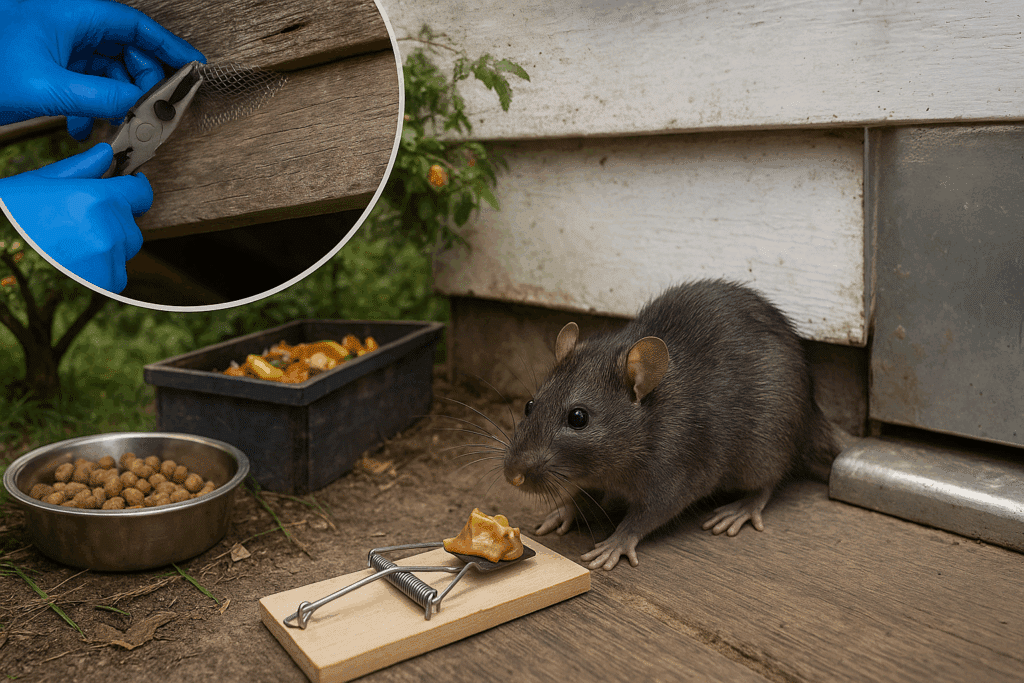
Health Risks Associated With Rats
Understanding the health risks associated with rats is essential for effective prevention and control. Rats are vectors for disease transmission, carrying pathogens such as Leptospira, Hantavirus, and Salmonella. When you come into contact with rat urine, feces, or saliva https://igreenasia.com/, you risk exposure to these harmful agents, which can lead to severe illnesses. Additionally, rats shed dander and parasites like fleas, triggering allergic reactions in sensitive individuals. These allergic responses may manifest as respiratory issues, skin irritation, or more severe asthma attacks. To safeguard your freedom and well-being, it’s critical to minimize interactions with rats and implement rigorous sanitation and exclusion measures. Staying informed about these health threats empowers you to maintain a secure environment, free from the unseen dangers posed by rats.
Damage to Property Caused by Rats
Although often overlooked, the damage rats cause to property can be extensive and costly. When rats infiltrate your space, their constant gnawing compromises structural integrity, leading to significant structural weakening. This deterioration affects wooden beams, wiring, and even concrete foundations, posing safety risks and expensive repairs. Moreover, rats cause insulation destruction by burrowing and nesting within walls and attics, diminishing your property’s energy efficiency. The destruction of insulation not only increases heating and cooling costs but also facilitates moisture accumulation, promoting mold growth. If you want to maintain the freedom to use your property safely and efficiently, addressing rat infestations promptly is essential. Effective pest control prevents further material damage, preserving your investment and ensuring your environment remains secure and structurally sound.
How Rats Contaminate Food and Surfaces
When rats gain access to your food storage or preparation areas, they introduce a range of contaminants that compromise safety and hygiene. Their fur, saliva, urine, and feces carry pathogens that facilitate allergen transfer and pose health risks. Cross contamination studies highlight how easily these contaminants spread from rats to surfaces and food items, increasing your exposure to bacteria and viruses. You need to understand that even minimal contact causes significant contamination.
- Urine and feces deposit harmful bacteria
- Fur carries allergens and pathogens
- Gnawing damages packaging, exposing food
- Saliva transmits viruses and bacteria
- Contaminated surfaces facilitate cross contamination
Signs of a Rat Infestation in Your Home
You can identify a rat infestation by spotting common rat droppings, which are typically dark, pellet-shaped, and found near food sources or nesting areas. Listen for scratching or scurrying noises within walls or ceilings, especially at night when rats are most active. Additionally, a strong, musky odor often indicates the presence of a significant rat population in your home.
Common Rat Droppings
Common rat droppings frequently serve as one of the earliest and most reliable indicators of a rat infestation in your home. You’ll often find black droppings, which are small, cylindrical, and tapered at the ends, typically measuring about 12-16 mm. These pellet clusters accumulate near food sources, nesting sites, or along travel routes. Recognizing these signs early lets you act decisively to maintain your freedom from infestation. Key characteristics to watch for include:
- Shiny, black or dark brown coloration
- Segmented pellet clusters rather than scattered droppings
- Presence near walls, cupboards, or hidden corners
- Dry, crumbly texture when old
- Quantity increases with infestation severity
Identifying these precise signs helps you confirm rat activity and initiate targeted pest control measures promptly.
Noises and Odors
Although rat droppings provide visible evidence of infestation, noises and odors often serve as less obvious but equally telling signs of their presence. You might hear faint scratching or squeaking near creaking pipes, especially at night when rats are most active. These sounds indicate movement within walls or under floors, signaling nesting or foraging activity. Additionally, a persistent, unpleasant odor resembling musty breath can permeate enclosed spaces, caused by rat urine and secretions. This distinctive smell is a biochemical marker of infestation, often unnoticed until populations grow. Recognizing these subtle auditory and olfactory cues early allows you to take timely pest control measures, preserving your home’s integrity and your personal freedom from health risks associated with rat-borne pathogens.
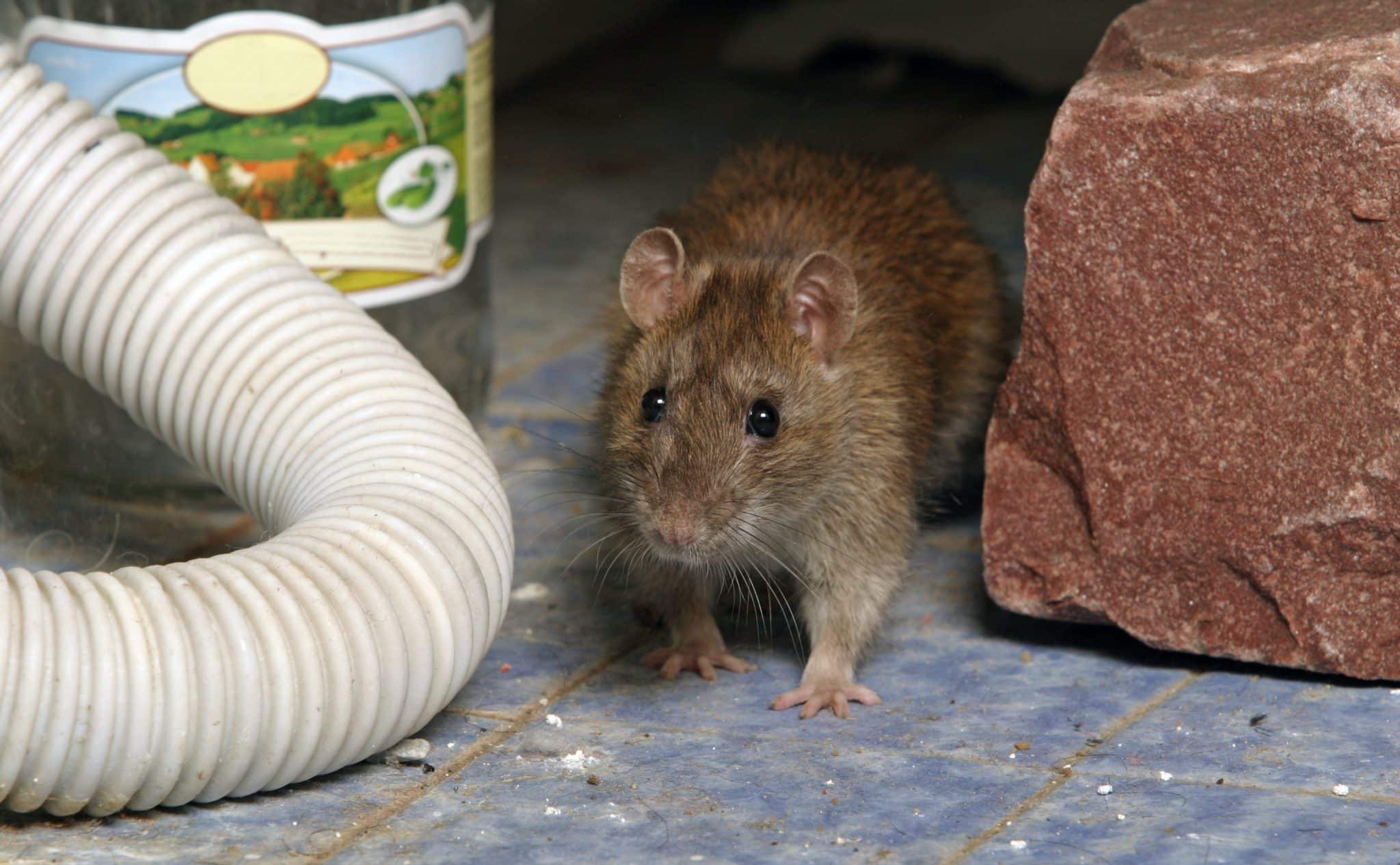
Effective Pest Control Methods for Rats
Implementing effective pest control methods is essential to managing rat infestations and minimizing associated health risks. You can regain control by employing targeted strategies that eliminate rats efficiently and safely. Consider these techniques:
- Snap traps: Provide a quick, humane kill, reducing rat populations without chemicals.
- Ultrasonic repellents: Emit high-frequency sounds to deter rats, useful as supplementary tools.
- Bait stations: Deliver rodenticides in a controlled manner, reducing non-target risks.
- Glue boards: Trap rats physically, though less humane and effective than snap traps.
- Professional extermination services: Offer thorough assessment and customized treatment plans.
Preventative Measures to Keep Rats Away
To prevent rats from entering your property, you need to seal all potential entry points such as cracks and gaps in walls or foundations. Maintaining strict cleanliness and promptly removing food sources will reduce attractants that encourage infestation. These measures form the foundation of effective rat prevention strategies.
Seal Entry Points
When you want to keep rats from entering your property, sealing all potential entry points is essential. Effective rodent proofing techniques focus on foundation gap sealing and closing any openings larger than 1/4 inch, as rats can squeeze through tiny spaces. Inspect your property thoroughly and address vulnerabilities with durable materials like steel wool and metal flashing. Key areas to target include:
- Cracks in foundation walls and floors
- Gaps around utility pipes and vents
- Spaces under doors and window frames
- Openings in roof eaves and attic vents
- Holes around air conditioning units and crawl spaces
Maintain Cleanliness
Sealing entry points substantially reduces rat access, but maintaining cleanliness is equally important to deter infestations. You need to establish consistent cleaning routines that eliminate potential nesting materials and reduce hiding spots. Regularly disposing of waste and vacuuming debris prevents accumulation that attracts rats. Clutter removal is critical; rats thrive in disorganized areas where they can shelter undisturbed. By systematically organizing storage spaces and clearing unused items, you minimize environmental conditions favorable to rat habitation. Make certain outdoor areas adjacent to your property are free from leaf piles, wood stacks, and dense vegetation, as these can serve as covert harborage. Implementing disciplined cleaning routines and clutter removal not only curtails rat activity but also supports your autonomy by reducing dependence on reactive pest control methods.
Remove Food Sources
By eliminating accessible food sources, you markedly reduce the attractiveness of your property to rats. To effectively deter infestations, focus on secure storage and scheduled disposal practices. Store all food, including pet food and birdseed, in airtight containers to prevent scent trails. Implement scheduled disposal routines for organic waste and food scraps, ensuring trash bins are emptied regularly and sealed tightly. Avoid leaving food remnants outdoors overnight, as this encourages rodent activity.
Key actions include:
- Use secure storage containers for pantry items and pet food
- Perform scheduled disposal of garbage and compost
- Clean food preparation and dining areas promptly
- Remove fallen fruits and seeds from gardens
- Avoid feeding wildlife near your home
Adhering to these measures maintains an environment that limits rat survival and supports your freedom from pest intrusions.
Conclusion
You need to take rat infestations seriously because they pose significant health risks, damage property, and contaminate food and surfaces. Recognizing early signs of rats in your home allows you to act promptly. Employing effective pest control methods combined with preventative measures is essential to protect your living environment. By staying vigilant and proactive, you can minimize the dangers rats bring and maintain a safe, hygienic space for you and your family.