
Swelling of the feet and ankles is usually benign when gradual, symmetric, and improves with elevation, compression, and reduced salt. Immediate evaluation is needed for sudden, painful, or asymmetric swelling, fever, skin redness, breathlessness, chest pain, or new swelling after trauma or with anticoagulation—these can signal deep vein thrombosis, cellulitis, or pulmonary embolism sports podiatrist. Persistent bilateral edema suggests cardiac, renal, or liver disease; nonpitting or progressive swelling may be lymphedema. More detail follows on causes, self-care, and when to seek care.
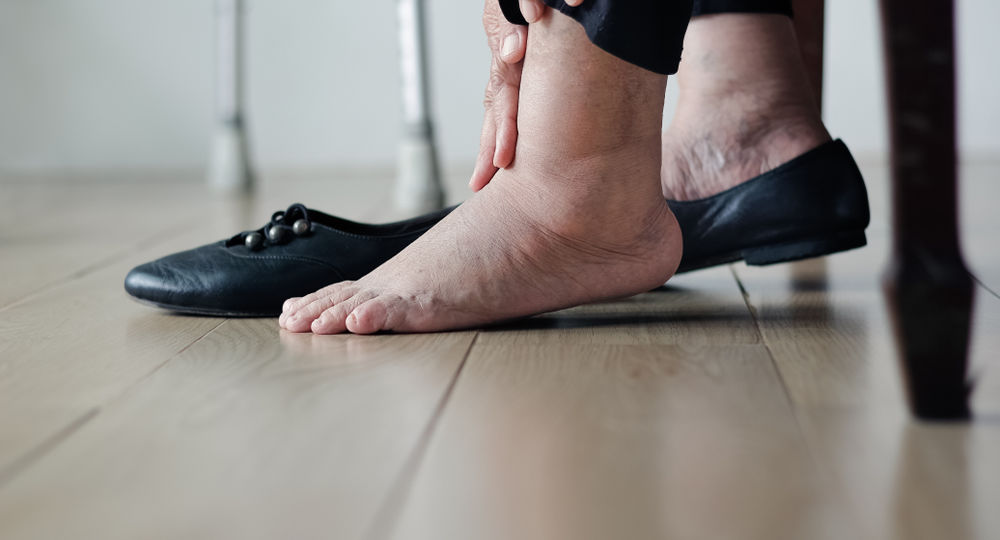
When to Worry: Red Flags and Urgency Levels for Swollen Feet and Ankles
When should swelling of the feet or ankles prompt urgent evaluation? The patient should seek immediate care if swelling is sudden, asymmetric, or accompanied by sudden redness, intense pain, shortness of breath, chest pain, or rapid heartbeat. These signs suggest deep vein thrombosis, pulmonary embolism, or acute infection.
Urgency increases with fever presence, spreading redness https://peoplepodiatry.com.au/, or systemic symptoms indicating sepsis or cellulitis. New swelling after trauma, in the context of anticoagulation, or with loss of mobility also merits prompt assessment.
Chronic, symmetric, mild swelling without systemic features may be less urgent but still requires evaluation if progressive. Clinical assessment, targeted imaging, and laboratory tests guide risk stratification and freedom-preserving treatment decisions.
Common and Harmless Causes of Swelling You Can Treat at Home
After ruling out the urgent red flags outlined above, many cases of ankle and foot swelling have benign, self-limited causes that can be managed safely at home. Common contributors include prolonged standing, minor sprains, exercise induced swelling after intense or unfamiliar activity, and fluid retention related to dietary sodium. Management focuses on rest, elevation, compression, reducing salt intake, and gradual return to activity. Symptoms that improve over days with these measures are reassuring.
| Cause | Home management |
|---|---|
| Prolonged standing | Elevate feet, intermittent walking, compression socks |
| Exercise induced swelling | Ice, rest, graduated activity, hydration |
| Dietary sodium–related fluid retention | Reduce salt, monitor weight, increase water and potassium-rich foods |
Seek care if swelling worsens, becomes painful, or is asymmetric.
Medical Conditions That Cause Persistent or Asymmetric Swelling
Several medical conditions can lead to persistent or asymmetric swelling of the feet and ankles, often indicating underlying vascular, cardiac, renal, hepatic, lymphatic, or inflammatory disease.
Unilateral swelling frequently reflects deep vein thrombosis, venous insufficiency, cellulitis, or localized trauma; bilateral edema suggests heart failure, chronic kidney disease, or liver cirrhosis.
Lymphedema causes include surgical disruption, infection, malignancy, or congenital lymphatic anomalies, producing non-pitting, progressive swelling.
Autoimmune disorders such as rheumatoid arthritis, systemic lupus erythematosus, and vasculitis may cause inflammatory edema with joint pain or skin changes.
Medication-induced edema and malignancy-related obstruction are other considerations.
Evaluation should prioritize history, medication review, focused exam, and targeted testing (D-dimer, duplex ultrasound, renal and hepatic panels).
Prompt diagnosis preserves mobility and autonomy.

Simple Self-Care Steps to Reduce Swelling Now and Prevent Recurrences
With simple, evidence-based measures, most people can reduce acute swelling and lower the risk of future episodes by addressing fluid balance, venous return, and skin care.
Begin with elevation techniques: raise feet above heart level for 15–20 minutes several times daily to encourage venous drainage. Combine with gentle ankle pumps and walking to activate the calf muscle pump.
Use compression socks graded to comfort and activity; they improve venous return and limit fluid accumulation during prolonged standing or travel.
Monitor salt intake and maintain adequate hydration to support fluid balance.
Protect skin from dryness and injury—moisturize daily and inspect for breaks.
If swelling fails to improve after self-care, or is painful, asymmetric, or accompanied by breathlessness, seek clinical assessment to rule out underlying causes.
How Clinicians Evaluate Swollen Feet and Ankles and What to Expect at the Visit
Clinicians begin the evaluation of swollen feet and ankles by taking a focused history and performing a targeted physical exam to distinguish benign, self-limited causes from conditions requiring urgent intervention.
The visit documents medical history, onset, symmetry, pain, medication use, travel, and cardiopulmonary or renal symptoms.
The physical exam assesses pitting, warmth, pulses, skin changes, and signs of deep vein thrombosis or lymphatic obstruction.
Routine diagnostic tests may include basic labs, urinalysis, chest imaging, Doppler ultrasound, or echocardiography guided by findings.
Management plans emphasize reversible causes, conservative measures, and when to escalate care.
Specialist referral to cardiology, nephrology, vascular medicine, or dermatology is recommended if underlying systemic disease, recurrent edema, or unclear etiology persists despite initial evaluation.
Conclusion
Swollen feet and ankles often reflect benign, reversible causes—prolonged standing, minor injury, or dietary salt—yet can signal serious conditions like heart, kidney, liver disease, venous thrombosis, or lymphedema. Red flags such as sudden, painful, asymmetric swelling, shortness of breath, fever, or systemic symptoms require prompt evaluation. Initial self-care (rest, elevation, compression, reduced salt) helps many, but persistent, worsening, or unexplained edema merits clinician assessment for targeted diagnosis and treatment.