
This article delves into the scientific exploration of sauna-cold plunge benefits, a common practice in thermotherapy. It scrutinizes the physical effects of heat exposure and the body’s response to cold plunges, shedding light on the scientifically proven health benefits.
Furthermore, it provides practical tips for an effective sauna-cold plunge routine. This comprehensive guide is designed for those seeking an objective understanding of this practice and its potential role in promoting health and well-being.

Understanding Thermotherapy Practices
Why is thermotherapy, the therapeutic application of heat and cold, an integral part of sauna and cold plunge practices? The answer lies in the physiological effects these temperature changes have on the body. When subjected to high heat in a sauna, the body responds by dilating blood vessels, a process known as vasodilation. This increases blood circulation, thereby accelerating the body’s natural healing processes.
Conversely, a swift plunge into cold water induces vasoconstriction, the narrowing of blood vessels. This sudden change helps to flush out toxins, reduces inflammation, and stimulates the release of endorphins, our body’s natural painkillers.
The alternating cycle of heat and cold, or thermotherapy, leverages these physiological responses to promote overall health and wellness. It aligns with a larger human aspiration for freedom, here conceptualized as freedom from physical constraints and limitations.
Thermotherapy offers a natural, non-invasive approach to health and wellness, with the potential to alleviate chronic pain, improve cardiovascular health, and enhance overall wellbeing. The integration of these practices into a routine can provide a liberating pathway to achieving optimal health, embodying the essence of freedom in its truest, most profound sense.
Physical Effects of Heat Exposure
Transitioning from the general concept of thermotherapy, examining the physical effects of heat exposure elucidates the specific physiological responses triggered in a sauna setting. The body’s initial response to heat is perspiration, a natural cooling mechanism. Sweat glands activate to release water and salt, evaporating on the skin’s surface to draw heat away from the body, consequently preventing overheating.
Simultaneously, cardiovascular responses are stimulated. Heart rate increases, blood vessels dilate, and blood flow to the skin elevates to aid in heat dissipation. The rise in heart rate and enhanced blood flow provide a cardio workout similar to mild exercise, promoting cardiovascular health.
Furthermore, heat exposure stimulates the endocrine system. The body increases the production of heat shock proteins (HSPs), which aid in cellular repair and protection against stress. Additionally, the release of endorphins, the body’s natural painkillers and mood elevators, is heightened in response to heat stress.
The heat-induced physiological responses, including sweating, cardiovascular changes, and endocrine system activation, contribute to the benefits associated with sauna use. This understanding of heat exposure’s physical effects provides a scientific foundation for the thermal therapy practices in saunas.
Body’s Response to Cold Plunges
In contrast to the body’s reaction to heat, one experiences a significantly different physiological response when plunging into cold water after a sauna session. This abrupt change in temperature triggers a series of events within the body. Initially, the body responds with a shock response, causing an increase in heart rate and blood pressure. This is the body’s immediate attempt to preserve heat and maintain a stable internal temperature.
Next, the body initiates a process known as thermogenesis, where it begins to generate its own heat to counteract the sudden drop in external temperature. This is facilitated by the constriction of blood vessels, forcing the blood to flow away from the skin and towards the vital organs, further aiding in the conservation of heat.
Furthermore, the cold plunge triggers the release of adrenaline and endorphins, natural painkillers that can induce feelings of euphoria. This explains why many find the experience invigorating and refreshing.
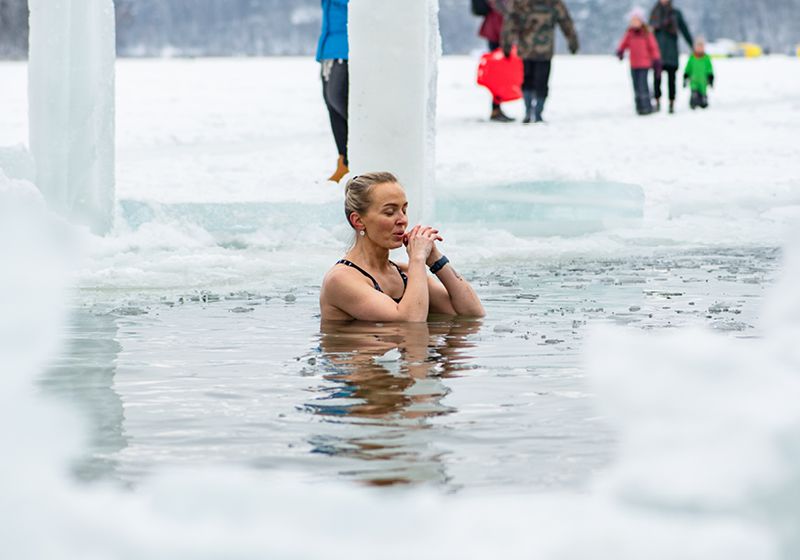
Scientifically Proven Health Benefits
Examining the scientifically proven health benefits of sauna cold plunges reveals a wealth of positive impacts on various aspects of physical and mental well-being. The contrast between the heat of the sauna and the cold plunge triggers a process known as thermogenesis, which boosts metabolism and aids weight loss. The sudden temperature drop also stimulates the immune system, producing more white blood cells and antibodies that protect against disease.
Research has further established that cold plunges can enhance cardiovascular health. The shock of the cold water activates blood vessels, promoting improved circulation. This circulatory stimulation reduces blood pressure and may lower the risk of heart disease.
The mental health benefits are equally compelling. Cold plunges can stimulate the release of endorphins, the body’s natural mood enhancers. This can alleviate symptoms of depression and anxiety, promoting overall mental wellness. Many people report feeling energized and invigorated after a cold plunge, a testament to its impact on mental alertness and focus.
Practical Tips for Sauna-Cold Plunge Routine
While understanding the science behind sauna cold plunge benefits is fundamental, it’s equally important to know how to safely and effectively incorporate this practice into your wellness routine. The initial step is to ensure you are physically fit to withstand the temperature variation, and if unsure, consult with your healthcare provider.
Start with a warm-up exercise to prepare your body for the heat. Spend about 15-20 minutes in the sauna at a comfortable temperature, ensuring you stay hydrated. The goal is to sweat, which opens up your pores and flushes out toxins.
When transitioning to the cold plunge, do so gradually. A sudden shift can be a shock to the body. Spend about 2-5 minutes in the cold plunge. This constricts the blood vessels, pushing blood towards your vital organs.
After the plunge, allow your body to normalize its temperature before repeating the cycle. A balanced routine usually involves 2-3 cycles, depending on your comfort and endurance.
Lastly, listen to your body. If you feel dizzy or uncomfortable at any point, it’s crucial to stop immediately. Sauna-cold plunge routines can offer significant benefits, but they must be done wisely and responsibly.
Conclusion
In conclusion, the science behind sauna and cold plunge practices reveals significant health benefits. Thermotherapy practices, such as these, stimulate physiological responses that promote improved cardiovascular function, enhanced immune response, and stress relief.
Adhering to a routine that incorporates both can yield optimal results. However, individuals should consult with a health professional before initiating a sauna-cold plunge regimen to ensure safety and effectiveness.