
In the epoch of global digitization, Malaysia is progressively integrating Smart Glass technology into its urban landscape. This article investigates the pivotal role of smart glass in Malaysia’s burgeoning smart city developments, its contribution to energy efficiency, and how it is transforming urban living smart glass solutions.
Join us as we delve into this cutting-edge technology and explore its promising future in the nation’s architectural evolution.
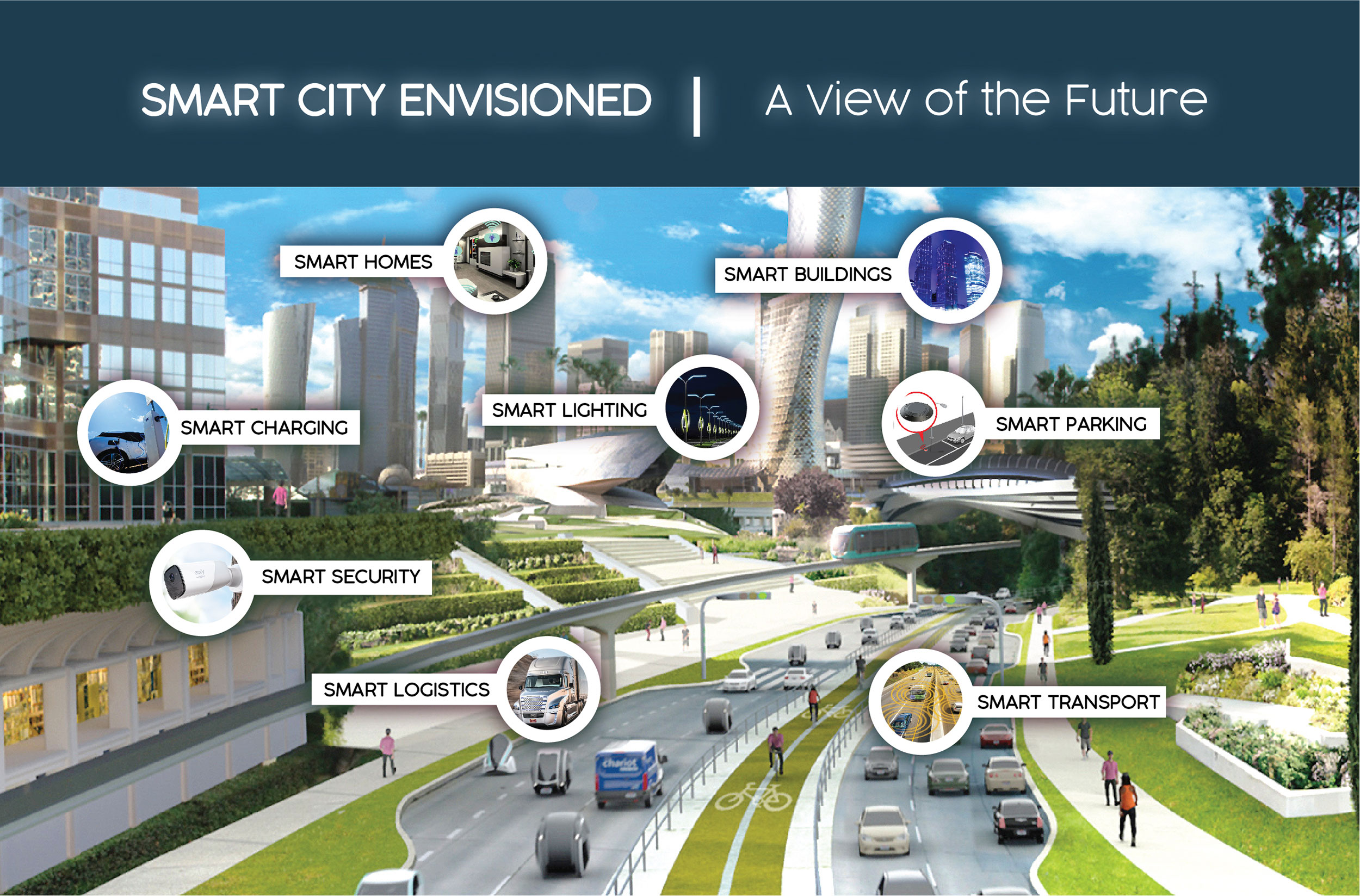
Understanding Smart Glass Technology
In the context of Malaysia’s smart city developments, understanding smart glass technology is vital as it forms the cornerstone of these futuristic urban landscapes. This revolutionary technology, which adjusts light transmission properties based on light, heat, or electricity, holds the potential to drastically reshape urban environments.
Smart glass, also known as switchable glass, transitions between being translucent and transparent, thereby controlling the amount of light and heat that passes through. This embodies the freedom and flexibility that modern urban dwellers seek, with the added bonus of energy efficiency. By leveraging this technologically advanced material, smart cities can reduce their energy consumption, fulfill sustainability targets, and enhance the quality of life for their residents.
Moreover, smart glass technology is in sync with the tenets of digital urbanism, where the fusion of technology and urban design crafts a more responsive and adaptable cityscape. The integration of this technology in Malaysia’s smart cities symbolizes a forward-thinking approach that seeks to harmonize technology, sustainability, and urban living. Therefore, understanding smart glass technology is crucial in interpreting the blueprint of Malaysia’s smart city developments.
Smart City Developments in Malaysia
Several smart city initiatives are currently underway in Malaysia, each incorporating a significant amount of smart glass technology in their infrastructural design to meet their sustainability goals and enhance their citizens’ quality of life. Smart glass, with its ability to adapt to environmental conditions, offers a dynamic solution to energy efficiency and comfort, making it a key component in Malaysia’s smart city blueprint.
Leading this transformation is the visionary Cyberjaya project, a technological hub set to be a model for future smart cities. Cyberjaya, integrating smart glass into its architectural design, is pioneering the way for sustainable urban living. This technology allows for optimal control of light and heat, reducing energy consumption and contributing to the city’s green aspirations.
In addition, the Penang Smart City initiative, another frontrunner, is harnessing the potential of smart glass in creating eco-friendly buildings. It signals a new era of freedom for urban dwellers, offering a balance between technology and nature, and a healthier, more sustainable lifestyle. These initiatives demonstrate Malaysia’s commitment to leveraging cutting-edge technology in shaping their cities of the future. The use of smart glass in these developments signifies an optimistic and progressive outlook for Malaysia’s urban landscape.
Role of Smart Glass in Energy Efficiency
With respect to energy efficiency, smart glass plays a pivotal role by dynamically controlling sunlight penetration, thereby significantly reducing reliance on artificial lighting and air conditioning in Malaysia’s smart city developments. This revolutionary technology uses a process called electrochromism, which enables the glass to change its opacity in response to electrical voltage, allowing it to adjust according to the intensity of sunlight.
While traditional glass contributes to a substantial energy loss, smart glass enhances energy conservation by moderating the heat transfer through windows. This, in turn, optimizes the use of HVAC systems, leading to a substantial reduction in energy costs. Moreover, it contributes to a sustainable environment by reducing carbon emissions and fostering energy resilience.
In the context of Malaysia’s smart cities, this technology could be a game-changer. The tropical climate of the country necessitates the use of energy-intensive air conditioning. However, the deployment of smart glass in infrastructures can revolutionize this scenario by creating thermally comfortable conditions indoors.
The application of smart glass, thus, offers a freedom from excessive energy consumption and dependency on non-renewable resources. Looking towards the future, smart glass stands as a testament to innovative, energy-efficient solutions for smart city developments.
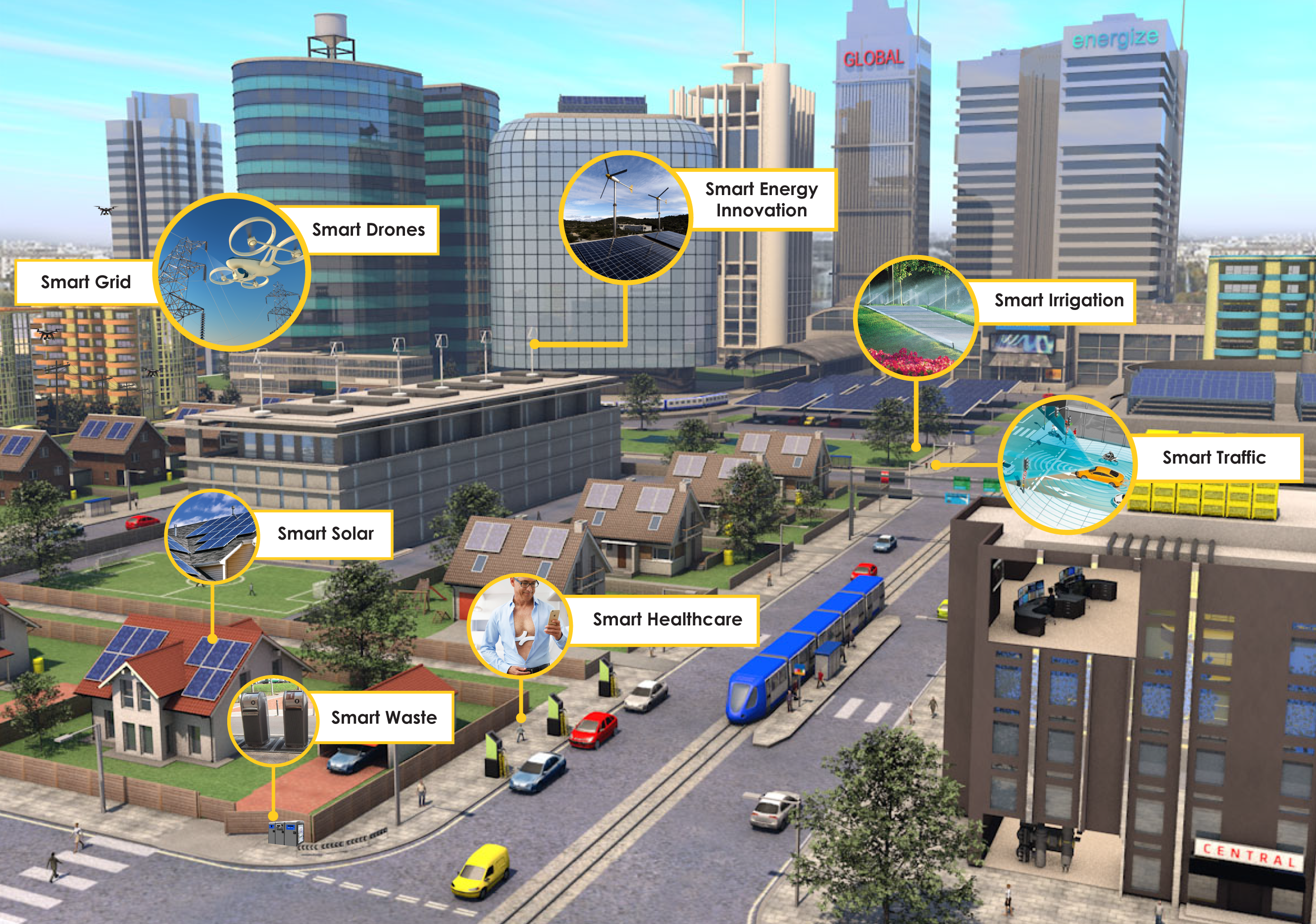
Smart Glass Enhancing Urban Living
A considerable aspect of smart glass technology’s appeal lies in its potential to significantly enhance urban living in Malaysia’s burgeoning smart cities. As these metropoles continue to expand and modernize, smart glass represents a technological solution that can improve the quality of life for their inhabitants.
Smart glass enhances urban living by offering unparalleled control over the natural light entering buildings, reducing glare and heat, thus creating more comfortable and energy-efficient environments. The adaptability of smart glass allows individuals to customize their surroundings according to their preferences, effectively granting them a measure of freedom previously unattainable.
The technology also plays a crucial role in noise reduction, a significant issue in bustling urban areas. With smart glass, city dwellers can enjoy quieter, more serene living spaces, significantly reducing the stress associated with city living.
Moreover, the aesthetic appeal of smart glass structures adds a futuristic touch to the cityscape, contributing to the visual identity of these smart cities. Hence, smart glass not only enhances individual living spaces but also elevates the overall aesthetic ambiance of the city, making urban living a more enjoyable experience. This technology truly represents the future of urban living, seamlessly integrating functionality, aesthetics, and freedom.
Future Prospects of Smart Glass in Malaysia
In the landscape of Malaysia’s smart city developments, the prospects for further integration of smart glass technology are promising and multifaceted. Fueled by the advent of IoT and AI, smart glass applications are projected to permeate various sectors, including transportation, healthcare, and residential buildings.
The transportation sector, for instance, could benefit immensely from smart glass implementation in traffic monitoring and control systems. It could improve visibility, reduce accidents, and enhance traffic management efficacy. In healthcare, smart glass could revolutionize patient care, optimizing privacy, thermal comfort, and light control in healthcare settings. For residential buildings, energy-saving smart windows could contribute to Malaysia’s green building initiatives, reducing energy consumption and promoting sustainability.
However, challenges persist, predominantly cost and public awareness. The high initial investment may deter many, while lack of awareness could hamper adoption rates. Nevertheless, with government support, public-private partnerships, and continuous technological advancements, these hurdles could be overcome.
In essence, the future of smart glass in Malaysia’s smart cities appears bright, promising a blend of tech-driven comfort, energy efficiency, and enhanced urban living. The journey towards complete integration may be gradual, but the destination is worth every step.
Conclusion
In conclusion, the integration of smart glass technology in Malaysia’s smart city developments is an innovative move towards energy efficiency and enhanced urban living.
As the nation continues to embrace digital transformation, the future prospects for smart glass are promising.
Through continued research and development, smart glass will undoubtedly play a pivotal role in shaping Malaysia’s sustainable, smart, and energy-efficient cities of the future.