
In the professional grooming industry, acquiring the right skills and knowledge is essential for success. A professional grooming class offers a comprehensive curriculum covering essential tools pet grooming course, handling techniques, breed-specific styles, and safety protocols.
By enrolling in such a course, individuals can gain the expertise needed to excel in grooming practices for both canines and felines. This article explores the valuable insights and practical skills one can expect to acquire through a professional grooming class.

Essential Grooming Tools and Equipment
Professional groomers rely on a comprehensive set of essential grooming tools and equipment to execute their tasks efficiently and effectively Pet Universe Cosmos. These tools are crucial in ensuring that pets receive the best care possible while maintaining their comfort and safety during grooming sessions.
Key tools include clippers, scissors, brushes, combs, nail trimmers, and grooming tables. Clippers come in various sizes and styles to cater to different coat types, while scissors are essential for precision trimming in sensitive areas.
Brushes and combs help detangle fur, remove loose hair, and distribute natural oils for a healthy coat. Nail trimmers are vital for keeping pets’ nails at a safe length to prevent discomfort or injuries.
Grooming tables provide a stable surface for grooming procedures, ensuring the groomer’s ease of access and the pet’s security during the process. With the right tools at their disposal, professional groomers can deliver top-notch grooming services that prioritize the well-being and aesthetics of the pets in their care.
Proper Handling and Restraint Techniques
Executing proper handling and restraint techniques is essential in ensuring the safety and comfort of pets during grooming sessions, complementing the use of essential grooming tools and equipment. When handling a pet, it is crucial to approach them calmly and confidently, respecting their boundaries and signals. Utilizing gentle yet firm handling techniques can help establish trust between the groomer and the pet. Understanding a pet’s body language is key in knowing when to adjust the level of restraint applied. Employing techniques such as positive reinforcement and desensitization can aid in creating a positive grooming experience for the pet.
Proper restraint techniques are necessary for ensuring the safety of both the pet and the groomer. Techniques such as the use of grooming loops, muzzles, and appropriate holds can help prevent accidents and injuries during the grooming process. It is important to continuously assess the pet’s comfort level and adjust the restraint accordingly to maintain a stress-free environment. By mastering these handling and restraint techniques, groomers can provide a safe and enjoyable grooming experience for pets while upholding their freedom and well-being.
Canine and Feline Anatomy Basics
When mastering proper handling and restraint techniques in professional grooming, understanding canine and feline anatomy basics is crucial for groomers to provide effective and safe grooming services. By comprehending the anatomy of dogs and cats, groomers can tailor their approach to each animal, ensuring a personalized and stress-free grooming experience.
Knowledge of anatomical structures such as bones, muscles, and joints enables groomers to handle pets with care, preventing injuries during grooming procedures. Understanding the specific anatomy of different breeds also allows groomers to identify potential health issues or abnormalities early on, prompting timely veterinary attention if needed.
Additionally, familiarity with anatomical features like skin and coat types aids groomers in selecting the most suitable grooming techniques and products for each pet. Ultimately, a solid grasp of canine and feline anatomy basics empowers groomers to deliver high-quality grooming services that prioritize the well-being and comfort of the animals in their care.
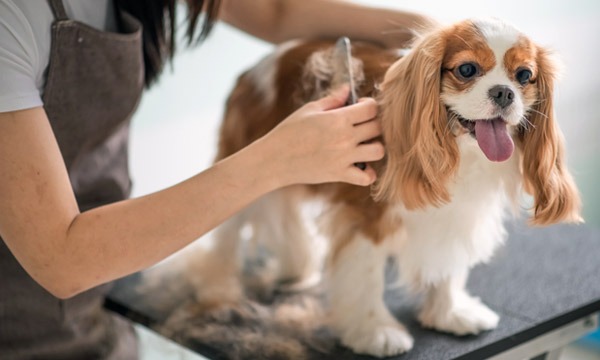
Breed-Specific Grooming Styles
An understanding of breed-specific grooming styles is essential for groomers looking to enhance their expertise and cater to the individual needs of various dog and cat breeds. Different breeds have unique coat textures, lengths, and grooming requirements that must be taken into consideration to achieve the desired look and maintain the animal’s health. For example, Poodles often require intricate haircuts to maintain their signature styles, while breeds like Labrador Retrievers may need regular brushing to manage shedding.
In professional grooming classes, groomers learn about breed-specific grooming techniques, tools, and products tailored to each breed’s characteristics. They study the standards set by grooming associations and breed registries to ensure they can meet the expectations of pet owners and competitions. Groomers also learn how to identify specific grooming styles associated with popular breeds such as the Schnauzer cut or the Lion trim for cats. By mastering breed-specific grooming styles, groomers can offer specialized services that meet the diverse needs of their furry clients and their owners.
Health and Safety Protocols
Transitioning from breed-specific grooming styles, groomers in professional grooming classes delve into the implementation of rigorous health and safety protocols to ensure the well-being of the animals under their care. Throughout the training, emphasis is placed on maintaining a clean and sanitized grooming environment. Groomers are taught the importance of disinfecting tools and equipment between each animal to prevent the spread of diseases and infections. Additionally, they learn proper handling techniques to minimize stress and ensure the safety of the animals during grooming procedures.
Furthermore, grooming classes cover the significance of recognizing signs of distress or health issues in animals. Groomers are trained to identify common health concerns such as skin infections, ear mites, or lumps that may require veterinary attention. By being vigilant and proactive in monitoring the animals’ health, groomers can provide early intervention and prevent potential complications.
Conclusion
In conclusion, a professional grooming class will teach essential tools and equipment, proper handling techniques, animal anatomy basics, breed-specific grooming styles, and health and safety protocols.
By learning these key skills, groomers will be better equipped to provide top-notch grooming services for their canine and feline clients.
Mastering these fundamentals is essential for a successful career in pet grooming.